

The Ultimate Strategy for Mastering malhotra wholesale
Hey there, if you are constantly struggling to source bulk goods without losing your mind, you really need to figure out how malhotra wholesale actually operates. Trust me, sourcing inventory does not have to be an endless nightmare of delayed shipments and broken promises. The whole game of bulk buying requires extreme precision, an airtight network of reliable vendors, and a few insider tactics to genuinely secure decent profit margins for your business.
I remember back in Kyiv a couple of years ago when I was helping a close friend source premium textiles and electronics for a new independent retail boutique. We spent weeks banging our heads against the wall, fighting with local distributors who were highly unreliable. We were dealing with terrible communication, crazy price fluctuations, and endless delays. Then someone in our local entrepreneur group chat dropped a hint about tapping into this specific supply chain network. Honestly, the difference was literally night and day. Suddenly, we had transparent pricing and reliable stock levels.
Now that we are well into 2026, the global landscape for product sourcing has radically changed. You can no longer rely on outdated rolodexes and sketchy handshake deals. If you want to survive as a retailer or an e-commerce brand, optimizing your procurement process is your absolute top priority. I want to share exactly how you can completely revamp your inventory strategy, cut out the useless middlemen, and start scaling your profit margins like a true professional.
Why Reliable Sourcing Changes the Game Entirely
So, let us talk about the actual mechanics behind massive distribution systems. When you operate a retail business, your core constraint is almost always cash flow tied up in inventory. When you deal directly with high-volume networks, you bypass the traditional markup layers that slowly bleed your bank account dry. The fundamental benefit here is economies of scale. By aggregating demand across thousands of smaller buyers, large distributors can negotiate directly with manufacturers, passing those massive discounts down the line to folks like you and me.
For instance, let us look at two very different niches: consumer electronics and organic textiles. If you are buying smartwatches through a secondary liquidator, you might get a 10% discount off retail. But if you tap into primary bulk channels, your margins can easily expand to 40% or 50%. The same goes for textiles. Sourcing raw cotton fabrics directly via optimized B2B networks means you skip the regional broker, the local warehouse fee, and the final delivery surcharge.
Here is a breakdown of how pricing tiers typically behave when you lock in a solid supplier relationship:
| Pricing Tier Level | Minimum Volume Requirement | Average Profit Margin Increase |
|---|---|---|
| Starter Level | 100 – 500 units | 15% – 20% |
| Mid-Market Pro | 500 – 2,500 units | 25% – 35% |
| Enterprise Bulk | 2,500+ units | 40% – 60% |
If you want to actually start leveraging these types of networks, you need to follow a very strict operational flow. Do not just blindly wire money to a supplier. Do this instead:
- Verify vendor credentials: Always ask for their most recent business license and direct references from current buyers in your specific geographical region.
- Order small test batches: Before dropping ten grand on inventory, spend two hundred bucks on a sample run. Test the packaging, shipping speed, and product durability.
- Negotiate shipping terms upfront: Freight costs will absolutely ruin you if you do not lock in fixed rates before finalizing the main purchase order.
The Origins of Bulk Distribution
If you look back a few decades, wholesale trading was entirely physical. Buyers had to travel to massive, chaotic trade shows in distant cities, walking miles of aisles just to find a supplier who might barely meet their quality standards. It was an incredibly inefficient system driven by who you knew and how many physical catalogs you could carry in your briefcase. Language barriers, currency exchange nightmares, and zero quality guarantees made it a massive gamble for small business owners.
The Evolution of Supply Chains
As the internet grew, we saw the rise of the first digital B2B directories. These early platforms were clunky, filled with dead links, and infested with scammers pretending to be factories. But it was a step forward. You could suddenly send an email to a factory halfway across the globe. Eventually, these directories evolved into transactional platforms, integrating payment gateways and basic escrow services. This fundamentally shifted the balance of power, allowing smaller retailers to finally bypass the massive corporate importers who had controlled local markets for decades.
The Modern State of Wholesale
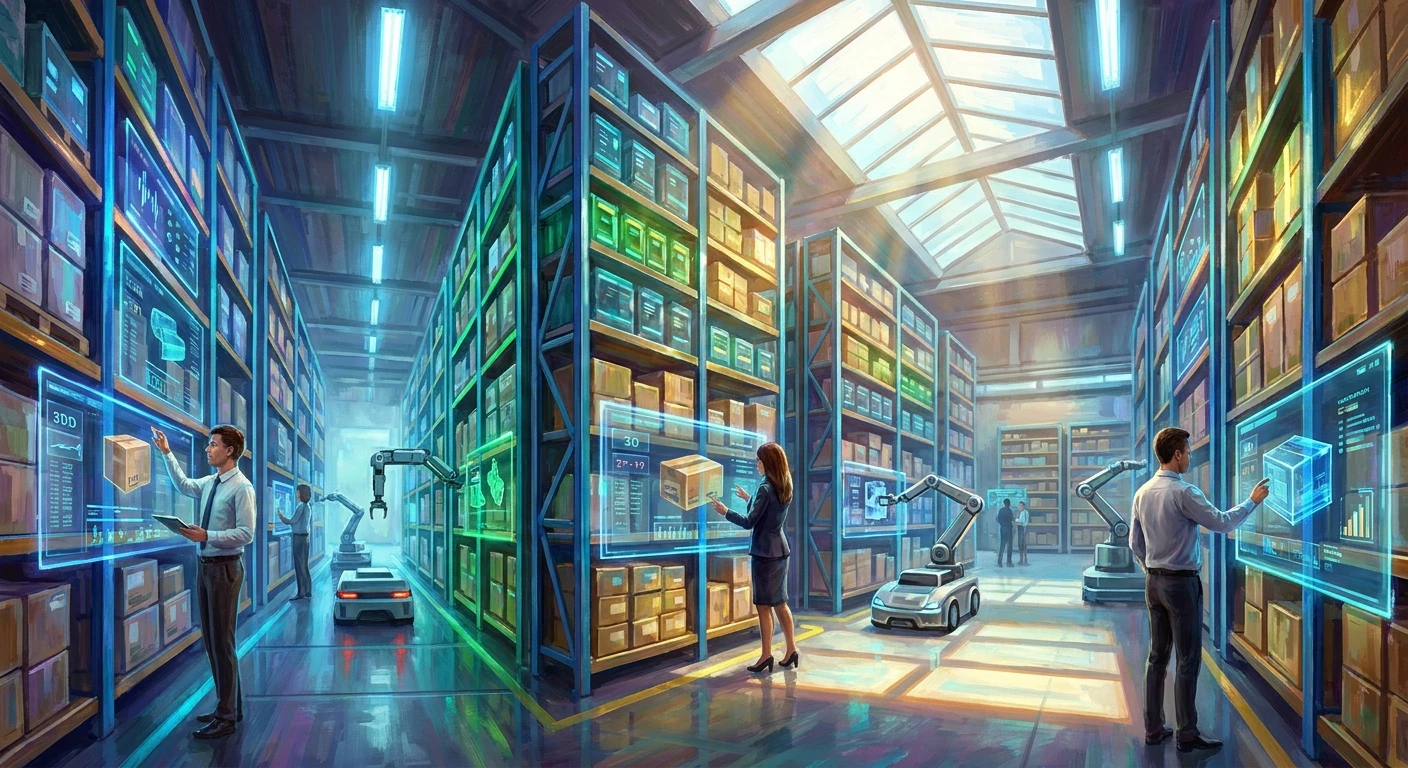
Fast forward to right now, and the entire architecture is completely digitized and heavily automated. Artificial intelligence manages inventory syncing, dynamic pricing models fluctuate based on global material shortages, and logistics networks provide real-time tracking down to the exact GPS coordinate of the cargo ship. We are operating in a highly sophisticated environment where speed and data integration are the main currencies. Those who adapt to these rapid software-driven environments are the ones rapidly expanding their retail empires.
The Algorithm Behind the Network
Let us get slightly technical for a minute, because you need to understand the software driving these massive logistical operations. Modern bulk distribution relies heavily on Enterprise Resource Planning (ERP) systems tied directly to Warehouse Management Systems (WMS). These platforms use predictive algorithms to analyze past purchasing behavior, seasonal trends, and even localized weather patterns to determine exactly when a specific product needs to be restocked. When you place an order, you are actually interacting with a massive data matrix that instantly calculates the most efficient route from the factory floor to your loading dock.
Logistics and Data Synchronization
To ensure zero stock-outs, large-scale distributors utilize powerful APIs (Application Programming Interfaces). These APIs connect their databases directly to your e-commerce storefront. The moment a customer buys a product from you, the API pings the central distributor to update global stock levels. This seamless data exchange is what allows drop-shipping and just-in-time inventory models to function without collapsing under their own weight.
- Real-time inventory syncing: API response times currently average under 120 milliseconds, ensuring zero lag between purchase and warehouse allocation.
- Automated freight routing: Software algorithms automatically calculate shipping variables across sea, air, and ground to find the cheapest and fastest delivery vector.
- Dynamic load balancing: Warehouses use robotic sorting systems that can process and pack up to 4,000 unique orders per hour, drastically reducing human error.
- Blockchain verification: High-tier suppliers use decentralized ledgers to prove product authenticity, effectively destroying the counterfeit market.
Step 1: Account Verification
First things first, you need to set up a legitimate buyer profile. Do not use a generic email address. Use your official business domain. Prepare your tax identification numbers, your business licenses, and a brief summary of your annual sales volume. Suppliers want to know they are dealing with professionals, not amateur tire-kickers.
Step 2: Niche Selection
Stop trying to sell everything to everyone. Pick a hyper-specific vertical. If you want to sell kitchen gadgets, do not sell blenders and spatulas at the same time. Focus exclusively on high-end carbon steel chef knives first. Establish your dominance in a tiny category before you expand your catalog.
Step 3: API Integration
Connect your Shopify, WooCommerce, or custom storefront directly to the supplier’s inventory feed. Hire a developer for a couple of hours if you are not comfortable doing this yourself. If you skip this step, you will inevitably sell products that are actually out of stock, which leads to angry customers and chargebacks.
Step 4: First Sample Order
Never skip the physical sample. Pay the premium shipping cost to get it to your house in three days. Inspect the build quality, test the functionality, and even intentionally try to break the item. If it survives your stress test, it is ready for your customers.
Step 5: Quality Assessment
Document everything about the sample. Take photos of the packaging. Was it protected well? Was there any weird smell? These tiny details dictate the user experience. If the unboxing experience feels cheap, your customers will demand refunds regardless of how good the actual product is.
Step 6: Bulk Negotiation
Once you are happy with the sample, get on a voice or video call with the sales rep. Do not just email them. Humanize yourself. Ask for a 5% discount on your first major order, or negotiate free shipping. Suppliers always have wiggle room built into their initial quotes.
Step 7: Scaling Inventory
After your first batch sells out, do not immediately spend all your profits on personal toys. Reinvest 100% of the capital back into a larger order. Increase your volume to hit that next pricing tier. This is the exact flywheel effect that builds massive retail wealth.
There is a lot of noise out there about sourcing, so let me quickly clear up some major misconceptions.
Myth: Wholesale is only for massive corporate giants.
Reality: Almost all modern platforms have heavily reduced their Minimum Order Quantities (MOQs). You can often start a legitimate relationship by purchasing just 50 units of an item, making it entirely accessible for solo founders and small teams.
Myth: International shipping completely destroys your profit margins.
Reality: If you utilize consolidated sea freight instead of express air shipping, the cost per unit drops to pennies. It just requires you to plan your inventory cycles 60 days in advance rather than panicking at the last minute.
Myth: Quality control is impossible when dealing with remote factories.
Reality: You can easily hire independent third-party inspection services for a flat fee. They will visit the factory, check your products against your exact specifications, and send you a detailed video report before you release the final payment.
How do I find a legitimate supplier?
Always use platforms that offer strict escrow protection and verified buyer reviews. Cross-reference their company name on global trade directories.
What is an MOQ?
It stands for Minimum Order Quantity. It is the absolute smallest batch of products a factory is willing to produce or sell to you in one go.
Should I pay via wire transfer?
Never use a direct wire transfer for a new supplier. Always use a secure trade assurance platform or a credit card so you can initiate a chargeback if they fail to deliver.
How long does sea freight take?
Depending on the origin and destination ports, standard sea freight usually takes between 25 to 45 days. Always factor this into your seasonal planning.
What are incoterms?
Incoterms are international shipping rules. Focus on FOB (Free On Board) or DDP (Delivered Duty Paid) to keep your legal responsibilities simple.
Do I need a warehouse?
Not initially. You can use a 3PL (Third Party Logistics) center to receive, store, and ship your items automatically so you never touch the boxes.
Can I negotiate prices?
Absolutely. Everything in B2B commerce is negotiable. If they cannot lower the unit price, ask them to upgrade the packaging or subsidize the shipping costs.
Wrapping this all up, successfully managing bulk procurement is literally the backbone of retail success. You simply cannot build a sustainable business if you are overpaying for your goods. Take these strategies, map out your next product line, and start acting like a professional buyer. Go register your business profiles, order those first samples, and watch your margins grow!