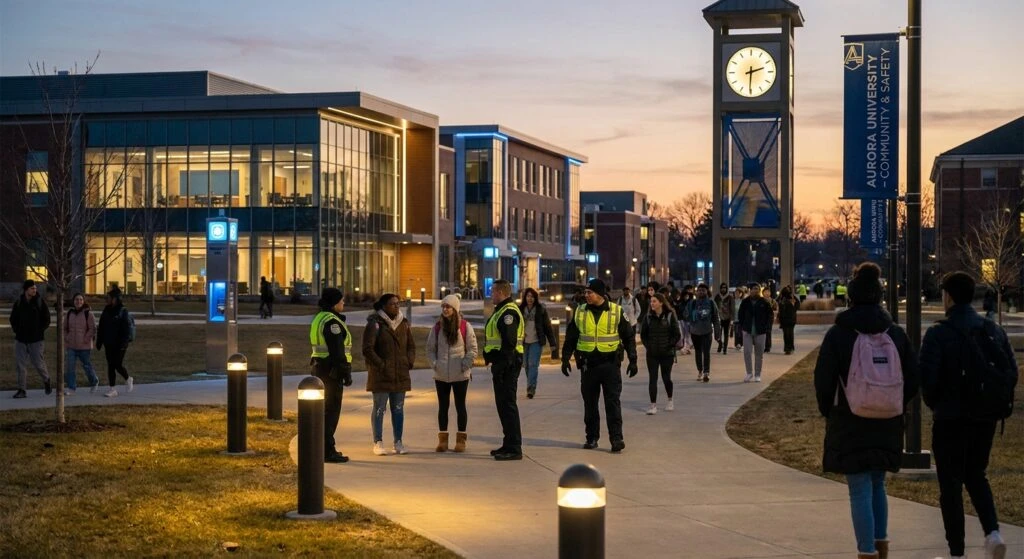

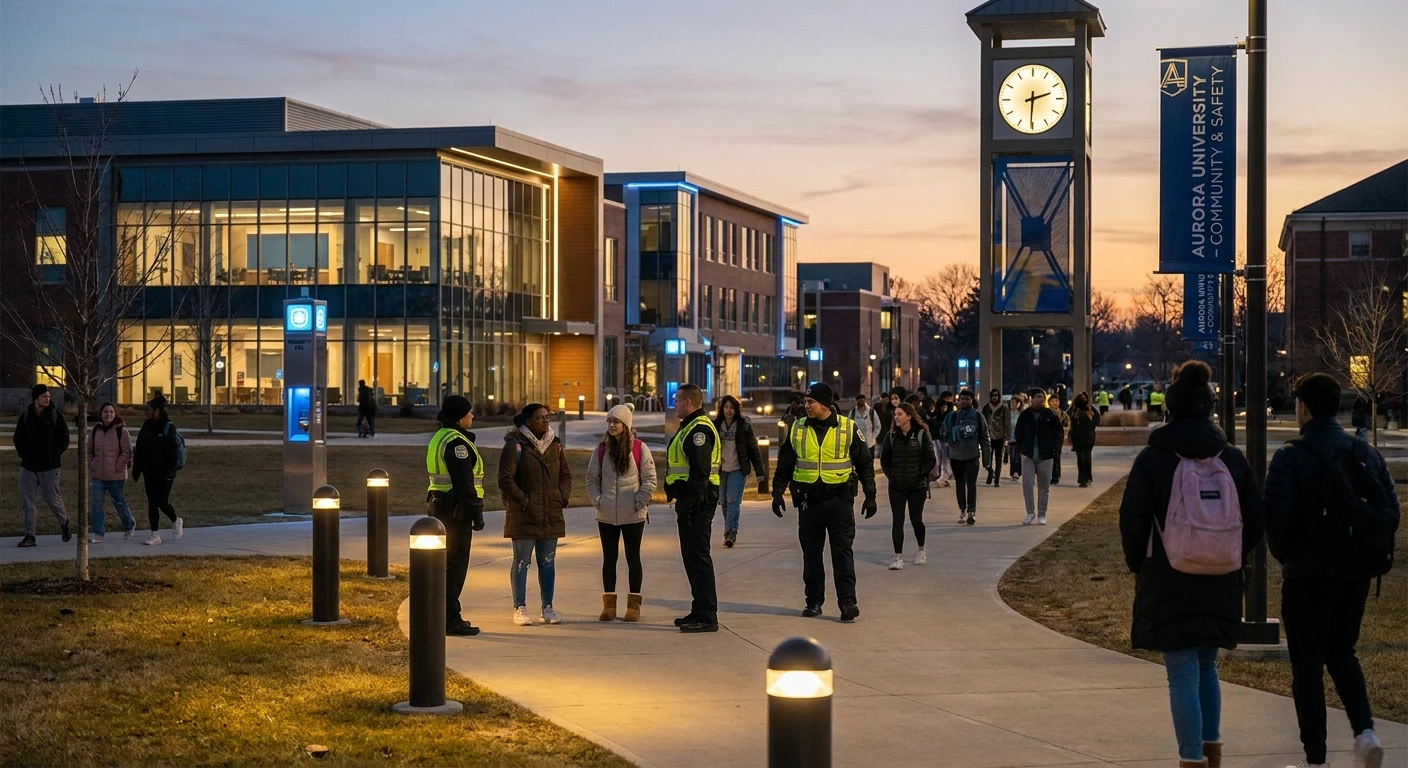
The Legacy of Harmandeep Kaur: Redefining Campus Safety and Labor Rights
The tragic story of Harmandeep Kaur sparked a nationwide conversation about the safety of international students and security personnel across educational institutions. When she moved to Canada in 2015 to pursue her education, she carried the familiar hopes of millions of international students seeking better opportunities. Working as a campus security guard, she was on the frontline of university operations—a role that demands vigilance but often historically lacked adequate institutional protection. Her sudden and tragic passing in 2022 exposed critical gaps in how educational facilities manage the safety of their contracted staff, particularly those working isolated night shifts.
You often hear institutions advertise their campuses as safe, idyllic environments for higher learning. Yet, the operational reality involves complex logistics, late-night hours, and open public access that present unique hazards. The loss of Harmandeep Kaur served as a devastating wake-up call that forced administrations to reevaluate their baseline security measures. By the year 2026, her legacy has directly influenced sweeping legislative and operational changes designed to protect vulnerable workers. This shift goes beyond simple policy updates; it represents a fundamental rethinking of labor rights, lone-worker protections, and the ethical responsibilities universities hold toward both direct employees and third-party contractors.
Read also: Remembering shaelyn yang: The Legacy of Compassionate Polici; Alexe frédéric migneault: Everything You Need to Know.
To understand the magnitude of this shift, we must look at the specific protocols that failed in the past and the robust safety frameworks that have replaced them. The dialogue has moved from reactive mourning to proactive, systemic enforcement. Her name now stands as a powerful catalyst for accountability, driving new standards that aim to ensure no other worker or student has to face unmitigated risks while simply trying to earn a living and build their future.
Evaluating the Impact: Benefits, Changes, and Value Propositions
The systemic changes implemented following the loss of Harmandeep Kaur have completely restructured the landscape of institutional security. Universities and colleges are no longer permitted to treat campus security as a low-tier administrative function. Instead, it has become a heavily regulated sector with strict oversight. The primary benefit of these sweeping reforms is the tangible reduction of risk for frontline workers, many of whom are young international students juggling academics and part-time jobs.
Below is a comparative breakdown of how campus safety protocols have drastically evolved to protect personnel on the ground.
| Operational Area | Pre-2022 Safety Measures | 2026 Standard Protocol |
|---|---|---|
| Lone Worker Protection | Infrequent radio checks; solitary night patrols. | Mandatory paired patrols; continuous GPS and biometric monitoring. |
| Incident Response | Delayed response relying on manual distress calls. | Automated dead-man switches; instant campus-wide lockdown capabilities. |
| Worker Training | Basic observation and reporting guidelines. | Advanced de-escalation, self-defense, and crisis management certification. |
The value proposition of these modernized safety frameworks is twofold. First, they provide an immediate physical safety net for workers. For example, modern lone-worker devices now feature tilt sensors and ambient audio monitoring that automatically alert local authorities if a guard is incapacitated, bypassing the need for the worker to manually call for help. Second, these policies offer profound psychological relief. Workers can perform their duties knowing that the institution is actively monitoring their well-being in real-time. Another example is the implementation of mandatory mental health screenings for campus residents who exhibit erratic behavior, bridging the gap between student services and campus security to prevent violent escalations.
Three core structural improvements define current university security standards:
- Integrated Threat Assessment Teams: Security personnel now work directly with psychiatric professionals and local law enforcement to evaluate potential threats before they escalate into physical altercations.
- Contractor Parity Agreements: Third-party security guards are now granted the exact same occupational health and safety protections, hazard pay, and union representation rights as direct university employees.
- Transparent Reporting Mechanisms: Institutions are required to publish annual safety audits detailing every physical altercation or threat on campus, ensuring complete public accountability and preventing the sweeping of incidents under the rug.
Origins of International Student Labor Policies
To fully grasp the context surrounding the case of Harmandeep Kaur, one must look at the historical reliance on international students within the service and security sectors. Throughout the 2010s, Western universities aggressively expanded their international enrollment. These students paid significantly higher tuition fees, driving massive revenue growth for institutions. However, due to strict visa regulations and high living costs, many international students were forced into the labor market, taking on undesirable, low-paying, or high-risk shifts that domestic workers routinely avoided. Policies during this era heavily favored employers, leaving these students vulnerable to exploitation, inadequate training, and substandard working conditions.
The Evolution of Campus Security Frameworks
Historically, campus security was viewed primarily through the lens of property protection rather than personnel safety. Guards were hired to deter theft, manage parking, and enforce noise complaints. The evolution of these frameworks was agonizingly slow. Administrations often relied on the false assumption that academic environments were inherently insulated from the violent crime seen in broader urban areas. When aggressive incidents did occur, they were treated as isolated anomalies rather than symptoms of a systemic failure in risk management. Security workers were routinely dispatched alone to manage unpredictable situations without access to protective gear, adequate backup, or direct communication lines to municipal police dispatchers.
The Modern State of Institutional Protection
Today, the landscape is entirely different. Driven by high-profile tragedies and relentless advocacy from labor unions and student groups, the modern state of institutional protection operates on a preventative model. By 2026, legislative bodies have mandated that any institution receiving public funding must adhere to strict environmental safety designs and labor protections. The narrative has shifted from blaming the worker for being in the wrong place at the wrong time to holding the institution legally and financially responsible for failing to provide a safe operational environment. This modern approach recognizes that security personnel are the first line of defense and treats their safety as the absolute highest priority.
Occupational Hazard Analysis in Campus Environments
A deeper technical look into campus safety requires an understanding of Occupational Hazard Analysis (OHA). OHA is a systematic process used to identify and mitigate risks before they result in injury or death. In the context of university security, OHA experts evaluate factors like campus lighting, sightlines, access control vulnerabilities, and the specific demographic risks of the student and public population. They map out “hotspots” where incidents are statistically most likely to occur, such as 24-hour libraries, isolated parking structures, and medical facilities. This data-driven approach removes the guesswork from security patrols, ensuring that resources are allocated based on empirical risk data rather than outdated administrative habits.
Risk Mitigation Technologies and Protocols
The technical deployment of risk mitigation relies heavily on the principles of Crime Prevention Through Environmental Design (CPTED). CPTED focuses on tactical architecture—using lighting, landscaping, and building design to naturally deter criminal behavior and improve the safety of those navigating the space. Coupled with this are advanced technological deployments that have become mandatory standard issue for all frontline workers.
- Biometric Wearables: Devices that monitor heart rate and sudden physical impacts, instantly triggering emergency protocols if a worker experiences severe distress.
- Geofenced Communication: Two-way radios connected to GPS that automatically switch to high-priority police dispatch channels when a guard enters a designated high-risk zone.
- Automated Access Control: Smart-lock systems that allow solitary workers to seal off corridors or buildings instantly via mobile applications during an active threat.
- Data-Driven Patrol Algorithms: Software that randomizes patrol routes to prevent predictable routines while ensuring high-risk areas receive concentrated physical monitoring.
- Post-Incident Psychological Triage: Mandatory protocols that immediately pull workers from active duty following a high-stress encounter, providing instant access to trauma counselors.
Day 1: Understanding Local Labor Rights and Safety Mandates
If you are stepping into a campus security role or beginning work as an international student, your first priority must be legal literacy. Dedicate your first day to reviewing local labor codes and the specific rights afforded to lone workers. Familiarize yourself with the exact protocols your institution is legally required to follow. Do not accept verbal assurances; request physical or digital copies of the occupational health and safety guidelines. Knowing your right to refuse unsafe work without fear of retaliation is your most powerful defensive tool.
Day 2: Familiarization with Emergency Communication Systems
Technology is only effective if you know how to use it under extreme stress. Spend your second day mastering the communication devices issued to you. Test the panic buttons, memorize the emergency dispatch codes, and understand the limitations of radio dead zones within heavy concrete structures or underground parking facilities. Establish direct communication protocols with your immediate supervisor and local law enforcement liaisons.
Day 3: Identifying High-Risk Zones and Safe Havens
Conduct a thorough physical audit of your designated patrol areas during daylight and nighttime hours. Identify potential choke points, poorly lit corridors, and areas with unrestricted public access. Simultaneously, map out your safe havens—secure rooms with locked doors and hardwired communication lines where you can retreat if you encounter an overwhelming threat. Memorize the fastest routes to these safe zones from any point on your patrol.
Day 4: Establishing a Peer Support and Check-In Network
Isolation is the greatest enemy of a frontline worker. Build a robust peer check-in system with your colleagues. Even if management mandates automated check-ins, establish a secondary, informal buddy system. Agree on code words or specific communication rhythms that indicate distress without escalating a confrontation. Knowing that a colleague is actively anticipating your check-in provides a critical layer of psychological and physical safety.
Day 5: De-escalation Tactics and Protocol Review
Physical confrontation should always be the absolute last resort. Dedicate this day to studying verbal de-escalation techniques. Learn how to manage individuals experiencing mental health crises, substance abuse issues, or extreme aggression. Understand the principles of maintaining safe physical distances, using non-threatening body language, and strategically positioning yourself near exits during interactions. Review your employer’s exact protocols on when to observe and report versus when to actively intervene.
Day 6: Mental Health and Workplace Stress Management
The chronic stress of hyper-vigilance can severely impact your long-term health. Use this time to locate and register for the mental health resources provided by your institution or union. Recognize the early signs of burnout, anxiety, and post-traumatic stress. Establish healthy boundaries between your shifts and your personal life. Remember that your mental well-being is just as vital to your survival and effectiveness as your physical training.
Day 7: Ongoing Certification and Policy Updates
Safety is not a static achievement; it requires continuous education. On your final day of preparation, outline a schedule for ongoing training. Commit to renewing your first aid, crisis intervention, and self-defense certifications regularly. Stay engaged with your local workers’ union or student association to remain informed about upcoming policy changes or newly identified campus hazards. Proactive education ensures you are never caught relying on outdated tactics.
Myths & Reality: Debunking Campus Safety Misconceptions
Myth: Universities are inherently safe zones requiring minimal security interventions.
Reality: Campuses are essentially small, open-access cities. They deal with theft, assaults, substance abuse, and trespassing daily, requiring highly dynamic and professional risk management strategies to maintain order.
Myth: International students mostly work low-risk, back-office jobs.
Reality: Due to financial pressures and visa restrictions, a massive percentage of international students take on high-risk frontline roles, including night-shift security, exposing them directly to public hazards.
Myth: Security workers are expected to physically subdue dangerous individuals.
Reality: Modern protocols dictate that unarmed security personnel must prioritize observation, de-escalation, and reporting to armed law enforcement, explicitly advising against physical engagement.
Myth: Campus safety protocols haven’t changed much over the last decade.
Reality: Driven by severe incidents up to 2026, legislative overhauls have fundamentally transformed the industry, mandating stringent lone-worker protections and institutional accountability.
Frequently Asked Questions
Who was Harmandeep Kaur?
She was a 24-year-old international student and permanent resident working as a security guard at UBC Okanagan, whose tragic death in 2022 highlighted severe vulnerabilities in campus safety protocols.
What changes did her case prompt?
Her case accelerated the adoption of strict lone-worker legislation, better hazard pay, mandatory paired patrols, and massive upgrades to emergency communication systems across campuses.
Are international students better protected now?
Yes, updated labor codes grant contract workers and international students the same safety rights and union protections as full-time domestic university employees.
What is lone-worker legislation?
These are specific laws requiring employers to monitor the health and safety of employees working in isolation, ensuring immediate emergency response capabilities.
How do universities enforce these new rules?
Enforcement is managed through rigorous independent audits, heavy financial penalties for non-compliance, and real-time oversight by provincial or state occupational health boards.
Can international students refuse unsafe work?
Absolutely. Current labor laws strictly protect any worker’s right to refuse shifts or tasks they deem hazardous without facing termination or visa complications.
Where can campus workers report safety violations?
Workers can report violations directly to their union representatives, provincial labor boards, or through anonymous digital whistleblowing platforms mandated by recent legislation.
The dialogue surrounding institutional protection has forever changed. The legacy of Harmandeep Kaur serves as a permanent reminder that the safety of those who protect our educational environments can never be compromised for the sake of budgetary convenience. It is essential for every worker, student, and administrator to stay informed and vigilant. Take the time today to review your local occupational safety guidelines and ensure your workplace is fully compliant with the modern standards of protection.