
Why Big Bounce Canada is the Must-Attend Event of the Year
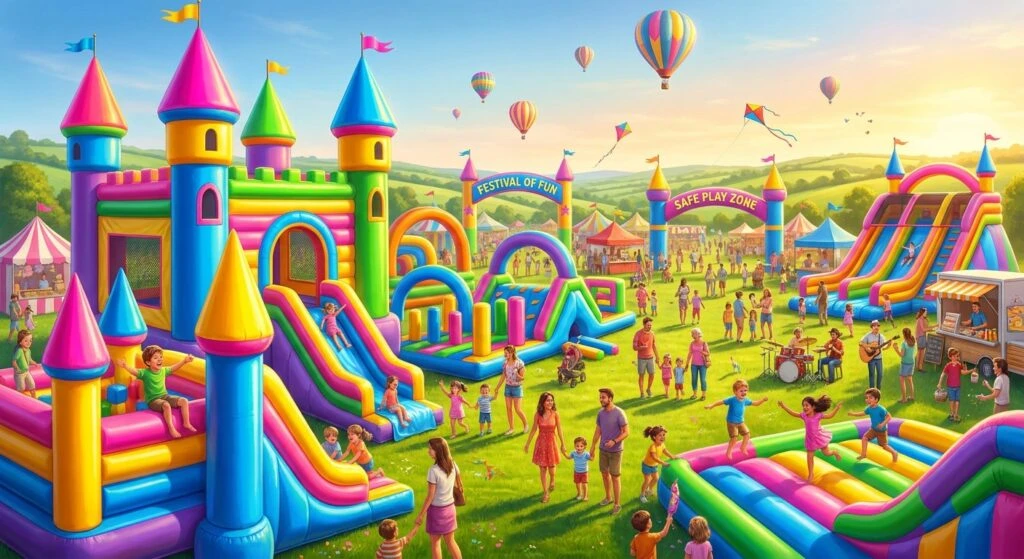
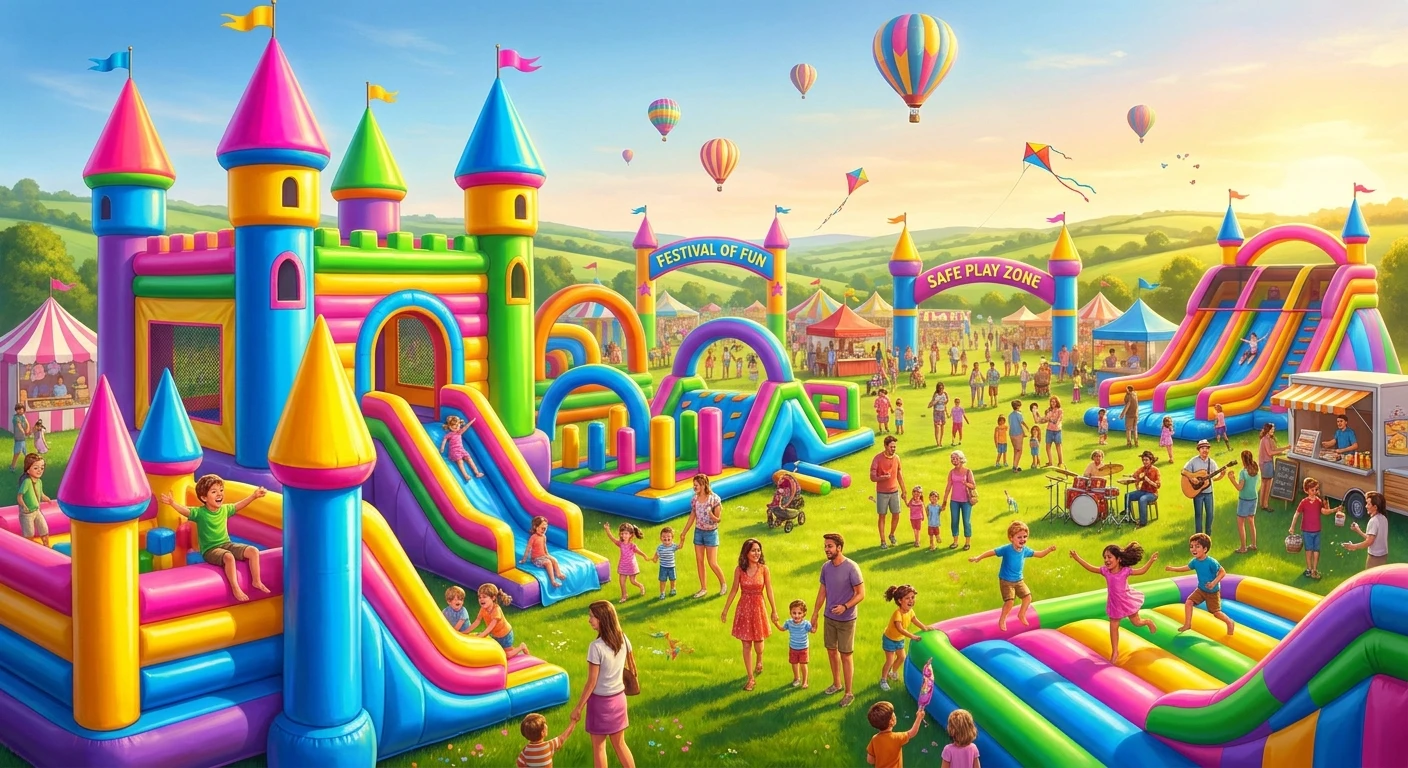
If you are looking for an unforgettable weekend of massive inflatable fun, grabbing tickets for Big Bounce Canada is exactly what you need to do right now. This colossal touring event has completely redefined outdoor entertainment, bringing the world’s largest inflatable theme park to cities across the country. Whether you are a parent trying to find a spectacular weekend activity to burn off your kids’ endless energy, or an adult looking for a nostalgic, high-energy dopamine rush with your friends, this mammoth bouncy castle universe delivers on every single front. The sheer scale of the setup is mind-boggling, featuring towering inflatable turrets, sprawling obstacle courses, and specialized sports zones that stretch as far as the eye can see.
This comprehensive guide breaks down everything from navigating the different ticket tiers and understanding the strict safety protocols to optimizing your game plan so you can maximize your time bouncing through this massive inflatable wonderland without missing a single highlight. As the 2026 tour season kicks off, the organizers have introduced even more spectacular features, upgraded live DJ sets, and improved cooling zones. You need a solid strategy to tackle an event of this magnitude. You do not just show up and jump; you plan your route, you hydrate strategically, and you prepare for an intense, joyful cardiovascular workout that leaves everyone smiling and completely exhausted.
Read also: aerosports parks – scarborough/toronto Guide; Ultimate morgan wallen toronto Concert Guide.
Maximizing the Value of the Bounce Experience
Attending this gigantic pop-up theme park offers incredible physical and mental benefits. Bouncing is a phenomenal cardiovascular workout that improves lymphatic circulation, enhances spatial awareness, and releases a massive surge of endorphins. It is pure, unadulterated joy packaged in bright neon vinyl. The value proposition here is undeniable because the event caters specifically to different demographics through carefully curated sessions, ensuring that toddlers are not getting trampled by teenagers, and adults can enjoy a completely child-free party atmosphere. Two primary examples of this incredible value are The Giant, a staggering 900-foot-long inflatable obstacle course that challenges your agility and stamina, and Sport Slam, a customized sports arena filled with bouncy basketball hoops and giant inflatable climbing walls.
To fully grasp the ticketing structure and what each pass entails, review the access tiers below:
| Ticket Category | Target Age Range | Access & Features Details |
|---|---|---|
| Toddler Sessions | Ages 3 and under (plus parents) | Slower paced, quieter music, exclusive access to dedicated toddler zones to ensure maximum safety. |
| Bigger Kid Sessions | Ages 15 and under (plus parents) | Full access to the main bounce house, the massive obstacle course, and sports arenas. High energy music. |
| Adult Only Sessions | Ages 16 and older | Zero kids allowed. Features a live DJ playing club tracks, intense obstacle racing, and a massive inflatable dance party. |
Before you step foot on the inflatables, you need to prepare your body and your gear. The physical demands of jumping continuously for three hours are significant. Here is how you prepare for the ultimate experience:
- Secure specialized grip socks: Regular cotton socks will cause you to slip on the vinyl, while bare feet are strictly prohibited for hygiene reasons. High-quality grip socks are your best friend.
- Hydrate relentlessly beforehand: You will sweat significantly more than you anticipate. Drink plenty of water the day before and the morning of your session, but avoid drinking a massive volume right before you start jumping.
- Dress for athletic performance: Wear breathable, flexible activewear. Avoid anything with sharp zippers, metal studs, or complicated buckles that could damage the inflatables or injure other jumpers.
- Arrive at least thirty minutes early: The check-in line, wristband distribution, and shoe-removal process take time. You do not want to miss the first twenty minutes of your timed session because you were stuck in the parking lot.
The History and Evolution of Inflatable Entertainment
The Humble Origins of Inflatable Entertainment
To truly appreciate the massive scale of today’s mega-parks, we have to look back at the origins of inflatable structures. The concept of the bounce house was actually born from a happy accident in 1959. An engineer named John Scurlock was experimenting with inflatable covers for tennis courts in Shreveport, Louisiana. He noticed that his employees were having an incredibly fun time jumping on the giant air-filled pockets of the prototype covers. Recognizing the entertainment potential, Scurlock pivoted his engineering focus and created the first “Space Walk,” an open-air inflatable mattress. These early designs had no walls and required constant supervision to prevent children from bouncing right off onto the hard ground, but the foundation for a billion-dollar entertainment industry was laid.
The Evolution into a Touring Mega-Park
Through the decades, the simple inflatable mattress evolved into enclosed castles with mesh walls, largely driven by safety regulations and better manufacturing techniques in the 1980s and 1990s. For a long time, the bounce house remained a staple of backyard birthday parties and small local carnivals. However, the entertainment landscape shifted dramatically when visionaries realized that scaling up the size of these structures could create a festival-like atmosphere. The founders of the Big Bounce franchise decided to push the absolute limits of inflatable engineering, asking manufacturers to design castles that were not just ten feet wide, but tens of thousands of square feet. This transition from a localized party rental to a massive touring production required immense logistical planning, massive fleets of trucks, and crews capable of erecting a temporary city of vinyl in a matter of hours.
The Modern State of the Bounce Industry
Today, the modern state of inflatable entertainment is a highly polished, heavily regulated touring machine. By the time the massive setup crosses borders for the Canadian tour, it operates with the efficiency of a major rock concert. The structures now feature intricate internal baffling systems to maintain shape, multiple climate-controlled zones, and integrated audio-visual technology where live DJs perform from stages built directly into the bouncy castles. It is no longer just a children’s activity; it is a full-fledged cultural event that dominates social media feeds and sells out instantly in major metropolitan areas.
Scientific and Technical Deep Dive
The Engineering Behind Giant Inflatables
Creating a 16,000-square-foot bounce house that can safely support hundreds of jumping humans simultaneously requires serious structural engineering. These massive attractions are not essentially balloons; they are “continuous airflow structures.” This means they are not sealed airtight. Instead, powerful electric blowers constantly force air into the structure while air continuously escapes through the seams. This dynamic equilibrium is crucial because if the structure were completely sealed, the impact of people jumping would cause the air pressure to spike dramatically, leading to catastrophic blowouts. The heavy-duty commercial vinyl—often 18-ounce PVC-coated nylon—is stitched using industrial-grade, multi-filament nylon thread. The internal architecture features “baffles,” which are internal fabric walls and straps that dictate the shape of the castle, preventing it from just ballooning into a giant sphere.
Physics of the Perfect Bounce
When you jump in a giant bounce house, you are engaging with fundamental principles of physics—specifically kinetic energy, elastic potential energy, and air pressure dynamics. As your body descends, your kinetic energy compresses the air pocket beneath the vinyl surface. The continuous airflow system immediately works to replace the displaced air, while the high-tensile vinyl acts like a giant spring. The efficiency of the energy return is what dictates the quality of the “bounce.”
- Air Pressure Management (PSI): The blowers must maintain a specific static pressure inside the chambers. Too much pressure makes the surface dangerously hard and unyielding; too little pressure causes the structure to sag and “bottom out,” where the jumper hits the hard ground underneath.
- Impact Attenuation: The volume of air beneath the jumping surface must be thick enough to absorb the kinetic energy of a 200-pound adult descending from a three-foot jump, decelerating them safely without joint trauma.
- Tensile Strength and Tear Resistance: The PVC vinyl is engineered to withstand immense multidirectional stress. The warp and weft of the underlying polyester mesh ensure that even if a small puncture occurs, it does not catastrophically tear across the entire panel.
- Thermal Dynamics: In the 2026 summer heat, dark-colored vinyl can absorb massive amounts of solar radiation, increasing internal air expansion. Engineers purposefully use lighter colors on high-contact areas to reflect UV rays and integrate massive shade canopies to keep the surface temperature safe for bare skin.
Actionable Plan: Your Step-by-Step Survival Guide
Step 1: Secure Your Specific Session Early
Do not wait until the week of the event to buy tickets. Popular time slots, especially the Adult Only sessions and prime weekend morning Toddler sessions, sell out months in advance. Go to the official website, double-check the tour dates for your specific city, and purchase your digital tickets. Ensure you are buying the correct tier for your group’s age demographic to avoid being turned away at the gates.
Step 2: Pack the Essential Bounce Kit
You need a minimalist approach because you cannot carry a backpack onto the inflatables. Bring a small drawstring bag containing high-quality grip socks, a large refillable water bottle, SPF 50 sunscreen, and a microfiber cooling towel. Leave all heavy jewelry, loose change, and unnecessary electronics secured in your vehicle.
Step 3: Master the Check-In Process
Plan to be parked and walking to the entrance exactly forty-five minutes before your session begins. Have your digital QR codes pulled up and your screen brightness turned all the way up for the scanners. Once you get your color-coded wristbands, locate the designated shoe-drop zones and establish a clear meeting point with your group in case anyone gets separated in the chaotic fun.
Step 4: Conquer The Giant Obstacle Course First
When the gates open, do not go straight for the main bounce house where everyone else bottlenecks. Head directly to the 900-foot obstacle course. Doing this first means you tackle the most physically demanding attraction while your energy levels are at their absolute peak, and you avoid the long lines that form later in the session.
Step 5: Explore the Specialized Air Space Zones
After catching your breath, move to the themed zones. The Air Space area usually features alien-themed slides, massive ball pits, and intricate climbing walls. Spend about thirty minutes exploring these secondary attractions. They offer incredible photo opportunities and a slightly different physical challenge than the standard flat jumping zones.
Step 6: Pace Yourself and Stay Hydrated
Jumping is exhausting. Treat this like a high-intensity interval training workout. Bounce aggressively for fifteen minutes, then exit the structure, drink eight ounces of water, and sit in the shade. Pacing yourself ensures you do not burn out or suffer from heat exhaustion halfway through your three-hour ticket window.
Step 7: Hit the Main Stage for the Grand Finale
Save the primary, massive bounce house for the last hour of your session. This is where the DJ is located, and the atmosphere is electric. Join the massive group games, participate in the dance-offs, and enjoy the confetti cannons. It is the perfect high-energy conclusion to your inflatable marathon.
Myths & Reality About the Mega Bounce Experience
Myth: The event is strictly for toddlers and young children.
Reality: This is one of the biggest misconceptions. The organizers run strictly enforced Adult Only sessions featuring club DJs, intense physical challenges, and a party atmosphere where no one under the age of sixteen is permitted. It is a massive draw for young adults.
Myth: Bouncy castles are unsanitary and a breeding ground for germs.
Reality: The modern touring setup utilizes hospital-grade antimicrobial treatments. Between sessions, dedicated cleaning crews sweep the structures, and deep sanitization protocols using foggers and electrostatic sprayers are executed daily to ensure a perfectly hygienic environment.
Myth: The inflatables will pop if too many adults jump at once.
Reality: These structures are engineered from commercial-grade, multi-layered PVC vinyl and are kept inflated by massive industrial blowers. They are mathematically designed to support thousands of pounds of dynamic weight simultaneously without structural failure.
Myth: You can just buy tickets at the gate when you arrive.
Reality: Gate sales are practically non-existent because capacity is strictly regulated by local fire marshals and safety inspectors. If you do not have a pre-purchased digital ticket, you will be turned away.
Frequently Asked Questions & Final Thoughts
Is there a strict weight limit for the inflatables?
Individual weight limits are generally very accommodating due to the commercial-grade materials. The exact limits are posted at the entrance, but typically, an individual weighing up to 250 pounds can safely participate. The primary restriction is total capacity per zone rather than individual weight.
What happens if it rains heavily or storms?
Safety is the absolute priority. In the event of lightning, high winds, or torrential rain, the inflatables are immediately evacuated and deflated. The organizers generally offer rescheduled sessions or weather-related refunds depending on the severity of the interruption.
Are regular shoes or bare feet allowed on the structures?
Absolutely not. Shoes will tear the vinyl and drag dirt inside, while bare feet are a hygiene violation. Grip socks are mandatory for all participants at all times.
Can I bring my own outside food and drinks?
Outside food is usually restricted, but you are strongly encouraged to bring reusable water bottles. Food trucks and concession stands are always positioned around the perimeter for snacks and meals.
How long does one standard ticket session last?
A standard access pass grants you three full hours of entertainment. This includes a dedicated time slot inside the main massive bounce house, plus unlimited access to the obstacle courses and sports zones.
Is there a secure place to leave my personal belongings?
There are open “shoe drop” zones, but they are not heavily guarded. It is highly recommended that you lock your valuables in your car trunk and only bring a cheap drawstring bag with your water and sunscreen.
Do I need to print my tickets on physical paper?
No, digital tickets displayed on your smartphone are preferred. Just ensure your phone battery is fully charged and your screen brightness is up for the scanner.
Are there medical professionals or first aid teams on site?
Yes, trained EMTs and first aid personnel are constantly stationed at the event to handle anything from minor scrapes to heat exhaustion.
Big Bounce Canada is an absolute phenomenon that everyone should experience at least once. It combines the nostalgia of childhood with incredible physical activity and a festival atmosphere. Stop waiting around, coordinate with your friends or family, grab your tickets, and get ready to catch some serious air!