
What Makes Frost Regina the Ultimate Winter Destination
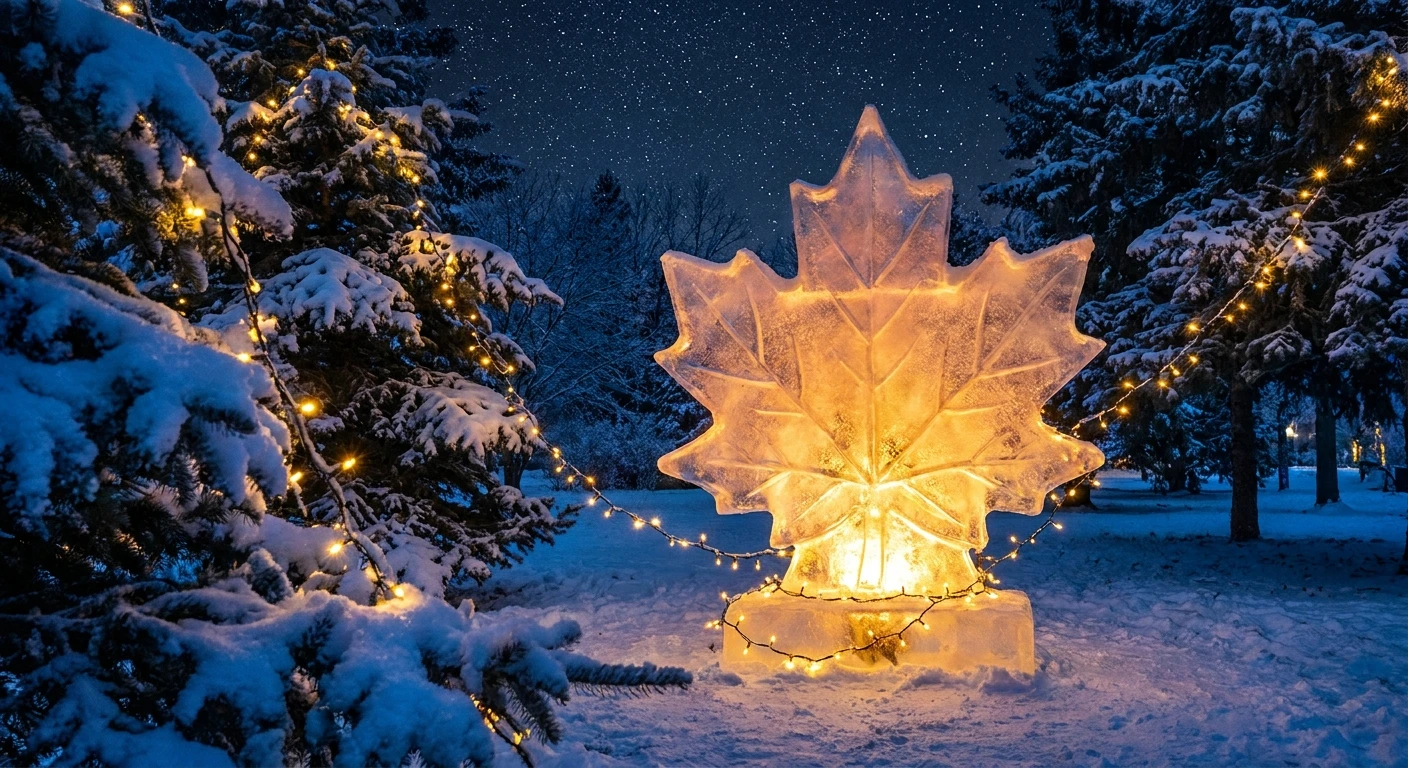
Frost Regina is not just another cold-weather gathering; it is a spectacular celebration that embraces the freezing temperatures of Saskatchewan with open arms. When February arrives on the Canadian prairies, the natural instinct for many is to stay indoors and avoid the biting chill. However, this magnificent winter festival flips that narrative entirely, turning the city into a vibrant, glowing playground of ice, light, and community spirit. By activating multiple zones across the city, the event transforms a notoriously harsh season into an opportunity for outdoor exploration and joy. You will find massive ice sculptures, glowing light tunnels, outdoor skating rinks, and cozy warming huts that make the sub-zero temperatures feel like an afterthought. It is a testament to the resilience and creativity of the local community. Instead of enduring the winter, people gather to celebrate it. Whether you are a lifelong local or a curious visitor looking for a genuine northern experience, this festival offers a unique blend of art, culture, and pure entertainment. The meticulous planning behind the event ensures that every age group finds something engaging, from family-friendly snow mazes to adult-oriented ice bars serving locally brewed craft beverages.
Understanding the Core Attractions and Festival Hubs
To truly grasp the magnitude of this event, you have to understand its multi-hub structure. Rather than cramming all the activities into a single crowded park, the organizers have intelligently spread the attractions across four distinct neighborhoods. This strategic layout prevents extreme overcrowding and encourages visitors to explore different facets of the city. The value proposition here is twofold. First, it actively boosts the local economy during what is traditionally the slowest time of the year for hospitality and retail businesses. Second, it provides a massive mental health boost by getting people outside, socializing, and staying active during the long, dark winter months. When you participate, you are supporting local artisans, food vendors, and performers while treating yourself to a highly memorable experience.
Read also: Ultimate Guide to Exhibition Saskatoon: Events & History; Big Bounce Canada: The Ultimate Inflatable Event Guide.
| Hub Location | Primary Vibe | Key Attraction |
|---|---|---|
| Downtown | Urban and Energetic | Illuminated Light Tunnels and Ice Carvings |
| Wascana Centre | Scenic and Traditional | Lake Skating and Horse-Drawn Carriage Rides |
| Warehouse District | Trendy and Social | Outdoor Ice Bars and Local Culinary Pop-Ups |
| REAL District | Family-Focused | Glow Gardens and Indoor Entertainment Zones |
Preparation is absolutely essential when attending outdoor events in these latitudes. You cannot simply walk out in a light jacket and expect to stay comfortable. Follow these critical steps to ensure your experience remains positive and entirely safe:
- Master the art of thermal layering: Start with moisture-wicking base layers, add a heavy fleece or wool mid-layer, and finish with a windproof and waterproof outer shell. Do not forget insulated boots and thick woolen socks.
- Map your transit route early: Take advantage of the dedicated shuttle services that connect the four hubs. This eliminates the stress of finding parking in the snow and keeps you out of the cold wind between venues.
- Hydrate and fuel up: Cold weather forces your body to burn more calories to maintain its core temperature. Drink plenty of warm fluids and eat hearty meals before heading out to explore the ice installations.
The Deep Roots and History of the Festival
Origins of the Winter Celebration
Winter festivals in Canada have a rich historical precedent, often starting as small, neighborhood-centric gatherings focused on local skating rinks. Historically, communities on the prairies relied on these outdoor rinks as the primary source of social interaction during the darkest and coldest months. The initial concept for a unified city-wide festival grew from a desire to consolidate these fragmented neighborhood celebrations into something that could rival the massive winter carnivals seen in other parts of the country. Early iterations were modest, relying heavily on volunteer labor, simple string lights, and small-scale snow sculptures crafted by enthusiastic amateurs. Over time, civic leaders recognized that embracing the prairie winter, rather than apologizing for it, could become a massive cultural and economic driver.
Evolution Across the Hubs
As the popularity of these local winter gatherings grew, it became clear that a single park could no longer safely or comfortably accommodate the crowds. The evolution of the festival saw a brilliant logistical shift toward the multi-hub model. Planners partnered with various civic organizations to activate the downtown core, the historic commercial warehouse zones, the sprawling legislative grounds of Wascana, and the massive exhibition spaces of the REAL District. This decentralization was a game-changer. It allowed different areas to cultivate their own unique identities. The downtown core became the artistic heart with sophisticated lighting, while the legislative grounds leaned heavily into natural beauty and traditional winter sports. This evolution mirrored the growth of the city itself, showcasing different architectural and cultural landscapes.
The Modern State of the Festival
Today, the festival operates as a highly polished, professionally curated spectacular that draws visitors from far beyond the provincial borders. The modern iteration features internationally recognized ice carvers who use specialized tools to create ephemeral masterpieces. Corporate sponsorships have enabled the installation of massive, interactive light displays that rival professional art exhibits. Warming pavilions are now architecturally designed structures featuring live acoustic music and curated food menus. Despite this massive commercial and logistical growth, the core ethos remains entirely focused on community resilience and the joyous celebration of the northern climate. It is a stunning example of how a city can take its harshest natural element and turn it into its most beautiful asset.
The Science of Sub-Zero Event Planning
The Meteorology Behind Saskatchewan’s Deep Freeze
Organizing a massive outdoor event in this climate requires a deep understanding of meteorology and human physiology. The region is famous for its dry cold, which is heavily influenced by Arctic air masses sweeping down across the plains without any mountainous barriers to slow them down. The wind chill factor is a critical scientific metric used by organizers; it measures the rate of heat loss from exposed skin caused by wind and cold combined. Because the air on the prairies is exceptionally dry, the cold can feel entirely different than the damp, bone-chilling winters of coastal regions. This low humidity actually works in favor of outdoor activities, provided visitors are properly shielded from the wind, as it prevents the rapid accumulation of moisture inside insulating clothing layers.
The Physics of Ice Sculpting and Maintenance
The stunning ice sculptures that anchor the festival are not made from standard frozen tap water. The physics of large-scale ice carving demands highly specialized materials. Sculptors use massive blocks of crystal-clear ice, which are created using a specific scientific process. To achieve perfect transparency, the water must be agitated or circulated while it freezes, which forces trapped oxygen bubbles and impurities to the surface where they can be shaved away.
- Ice created through the continual circulation method possesses a significantly higher structural density, making it less likely to shatter under the extreme vibrations of a chainsaw.
- The ambient temperature must remain consistently below freezing to maintain tensile strength; if the ice warms up and refreezes, it develops micro-fractures that compromise the entire structure.
- In the extremely dry prairie air, ice does not just melt; it can undergo sublimation, transitioning directly from a solid state to a gas, which slowly softens the sharp edges of the sculptures over several weeks.
- The thermal dynamics of the warming huts rely on radiant heat technology rather than forced air, ensuring that visitors are warmed quickly without melting the nearby ice installations.
Your Ultimate 7-Day Festival Itinerary
Day 1: Arrival and Downtown Illuminations
Kick off your winter adventure right in the heart of the city. As dusk settles, the downtown park transforms into a glowing wonderland. Spend your first evening walking through the massive illuminated tunnels and admiring the freshly carved ice sculptures. Grab a hot chocolate from a local vendor and enjoy the crisp evening air as the city lights up around you.
Day 2: Exploring the REAL District
Dedicate your second day to the family-friendly expanses of the exhibition grounds. This area brilliantly combines indoor and outdoor activities. You can spend hours navigating the elaborate snow mazes before heading inside the massive heated pavilions to warm up, view the indoor glow gardens, and enjoy interactive entertainment designed for all ages.
Day 3: Wascana Centre’s Natural Beauty
Shift your focus to the breathtaking natural scenery of the legislative grounds. Lace up your skates for a glide across the meticulously maintained frozen lake. Afterward, book a traditional horse-drawn carriage ride through the snow-covered paths, taking in the grand architecture of the nearby buildings set against the stark white landscape.
Day 4: The Warehouse District Ice Bars
As the weekend approaches, head to the trendiest neighborhood in the city for an adult-focused evening. The outdoor ice bars here are legendary. Order a locally brewed craft beer or a warm spiced cider served on a counter made entirely of carved ice. Enjoy live DJ sets and mingle with locals around roaring fire pits.
Day 5: Family Fun and Dog Sledding
Return to the outdoor parks to engage in some traditional northern activities. Many zones offer demonstrations of dog sledding, where you can learn about the incredible athleticism of the huskies and the historical importance of this transportation method. It is a fantastic, educational experience that highlights indigenous and pioneer history.
Day 6: Cultural Performances and Local Culinary Scene
Use this day to dive deep into the cultural programming. Attend performances featuring indigenous storytelling, traditional music, and vibrant dance showcases inside the warming pavilions. Pair this with a culinary tour of the local pop-up food stands, tasting hearty winter comfort foods like rich stews, poutine, and warm pastries.
Day 7: Farewell Skate and Closing Fireworks
Wrap up your week with a final farewell skate under the stars. The festival traditionally closes with a spectacular fireworks display that lights up the winter sky, reflecting brilliantly off the snow and ice below. It is the perfect, explosive conclusion to a week of celebrating the beautiful, harsh reality of winter.
Separating Festival Myths from Reality
Myth: You will freeze if you stay out for more than an hour.
Reality: The entire festival is engineered for comfort in the cold. Organizers strategically place warming huts, massive roaring fire pits, and indoor pavilions throughout all the outdoor spaces so you are never far from a heat source.
Myth: It is only a playground for young children.
Reality: While there is plenty of family programming, the evening events feature ice bars, sophisticated culinary pop-ups, and live music that are heavily catered to adult crowds seeking a unique night out.
Myth: You need a car to navigate between the different zones.
Reality: A highly efficient, dedicated shuttle service operates constantly between all major hubs, entirely eliminating the need to drive, scrape ice off your windshield, or fight for limited parking spots.
Myth: Attending the festival will drain your wallet.
Reality: A massive portion of the outdoor installations, including the light displays, snow mazes, and public skating rinks, are completely free to the public, making it highly accessible.
Frequently Asked Questions and Final Thoughts
Where does the festival take place?
It is spread across four main hubs in the city: Downtown, the REAL District, Wascana Centre, and the Warehouse District.
Do I need to buy tickets in advance?
While outdoor parks and light displays are largely free, specific indoor concerts and specialized glow zones require tickets that frequently sell out, so early booking is highly recommended.
Are pets allowed at the outdoor venues?
Yes, well-behaved, leashed dogs are generally welcome in the open outdoor public parks, though they are restricted from entering the indoor heated pavilions or specific ticketed zones.
What should I wear?
Thermal base layers, a windproof outer shell, insulated waterproof boots, thick mittens, and a warm toque are absolute necessities for enjoying the outdoor displays safely.
Is there food available on-site?
Absolutely. Every hub features a curated selection of local food trucks and culinary pop-ups serving warm, hearty comfort food and hot beverages.
Can I bring my own skates?
Yes, visitors are heavily encouraged to bring their own ice skates to enjoy the outdoor rinks, though limited rentals are sometimes available at specific hubs.
Are the light displays turned on all night?
The spectacular light tunnels and illuminated sculptures are generally active from dusk until late evening, usually shutting down around midnight to conserve energy.
There is absolutely no reason to spend the winter months trapped inside. Grab your warmest parka, gather your friends and family, and experience the magic of the deep freeze for yourself. Plan your visit, book your travel, and get ready to create unforgettable memories in the snow!