
Understanding and Resolving a Soapy Taste in Mouth
Experiencing a sudden soapy taste in mouth is definitely one of those confusing moments that makes you stop and wonder what you just ate. You might catch yourself actively trying to scrape your tongue, drinking endless glasses of water, or simply waiting for the bizarre sensation to pass. This highly specific flavor profile is more common than you might assume, and it is rarely a sign of severe danger. Rather, this strange sensation often stems from specific dietary factors, temporary chemical reactions in your oral hygiene routine, or underlying medical conditions that simply require a bit of targeted attention. Our sensory systems are incredibly complex networks of nerves, receptors, and chemical interactions. When something interrupts this delicate balance, your brain can easily misinterpret normal signals as the distinct, alkaline flavor of dish detergent. Through a structured approach to your daily habits, you can quickly identify the root cause and restore your natural sense of taste without unnecessary anxiety.
Understanding exactly why your palate is suddenly broadcasting soap flavors requires looking closely at your daily inputs. It might be as simple as a genetic predisposition acting up, or it could be related to the foaming agents in your brand-new toothpaste. Whatever the trigger, finding the exact mechanism causing the disruption is your first step toward immediate relief.
Read also: Frederick Silva: Core Principles and Methods; Saggy Balls: Causes, Science, and Scrotal Health Guide.
Core Causes, Benefits of Action, and Reliable Fixes
When you start investigating the source of your altered palate, you will quickly notice that the human body reacts to chemical compounds in highly predictable ways. One of the most common culprits is Sodium Lauryl Sulfate (SLS), a highly effective foaming agent found in many commercial toothpastes and mouthwashes. While SLS is fantastic for breaking down plaque and lifting debris off your teeth, it has a documented side effect of temporarily altering your taste buds. Specifically, it suppresses your sweet taste receptors and destroys the phospholipids that normally keep your bitter receptors in check. The result is a sharp, soapy, or excessively bitter flavor when you eat or drink shortly after brushing.
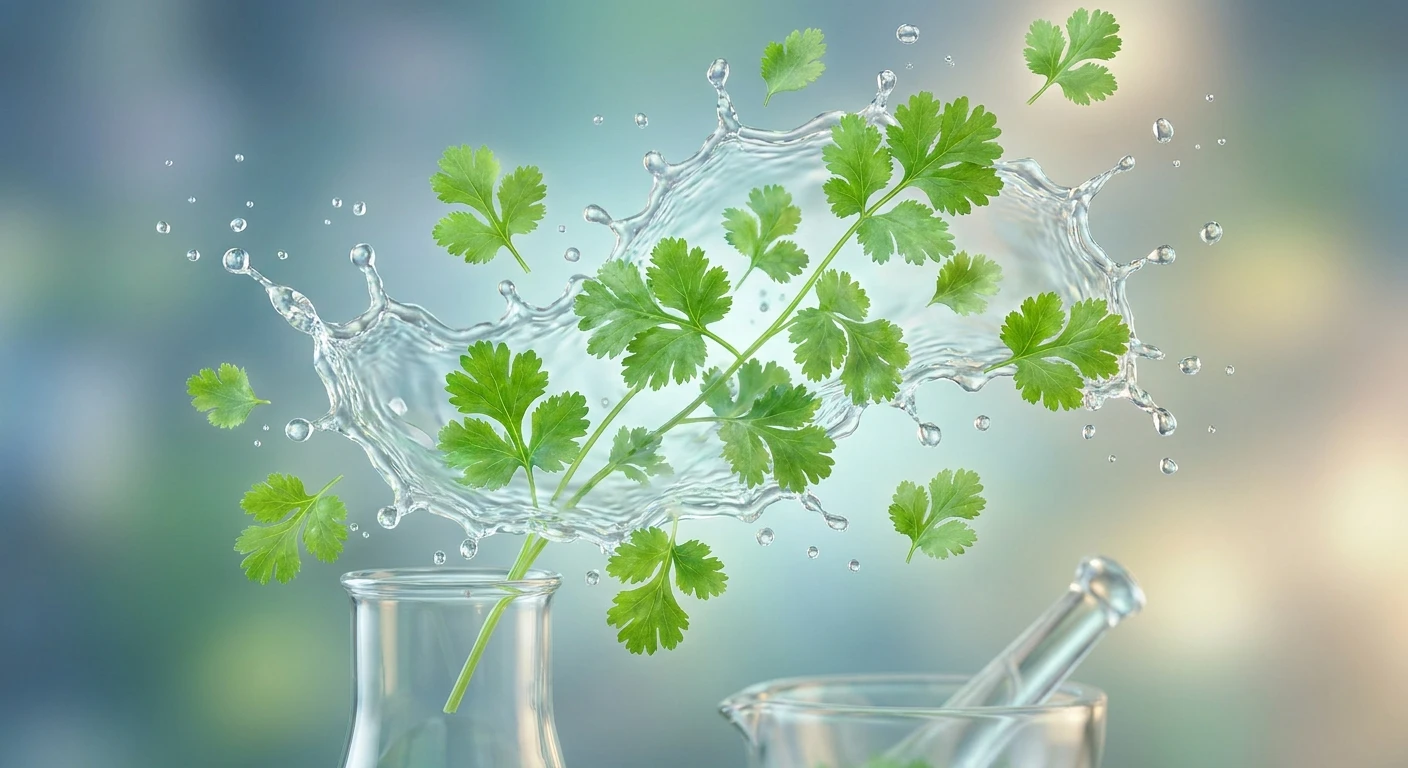
Another massive factor is genetics, particularly when it comes to eating cilantro, also known as coriander. For a significant portion of the population, a specific genetic variant causes them to perceive the natural aldehydes in the cilantro leaves exactly as they would perceive soap. Identifying these triggers brings immense value because it allows you to regain control over your meals and comfort. For example, recognizing an SLS sensitivity means you can simply switch to an SLS-free toothpaste, immediately solving a daily frustration. Recognizing a genetic aversion to cilantro means you can confidently ask restaurants to omit the garnish, saving your dining experience.
| Primary Trigger | Underlying Biological Mechanism | Immediate Solution Strategy |
|---|---|---|
| Cilantro (Coriander) | OR6A2 genetic variant reacting strongly to specific aldehydes | Remove from diet completely and substitute with parsley |
| Commercial Toothpaste | Sodium Lauryl Sulfate residue suppressing sweet receptors | Rinse with warm water or switch to an SLS-free formula |
| Silent Acid Reflux | Stomach acid mixing with baseline saliva during sleep | Elevate your head at night and consult a gastroenterologist |
To systematically narrow down the cause of your altered taste, follow this reliable identification process:
- Track your exact dietary intake over the past twenty-four hours, paying special attention to raw herbs, unwashed produce, or highly processed foods.
- Evaluate your oral care routine for any newly introduced products, including whitening strips, heavy-duty mouthwashes, or budget-friendly toothpastes.
- Check your current prescription medication list for dysgeusia, which is the medical term for altered taste perception, listed in the common side effects.
- Monitor the specific time of day the flavor peaks, such as waking up with the taste versus noticing it immediately after finishing a meal.
Origins of Oral Dysgeusia Research
The medical study of altered taste, clinically known as dysgeusia, has a fascinating historical timeline. Ancient physicians, notably Hippocrates and Galen, believed that strange flavors in the mouth were the direct result of an imbalance of the four bodily humors. They often attributed bitter or soapy flavors to an excess of yellow bile or phlegm rising from the stomach. Treatments were rudimentary and largely ineffective, relying on heavy purging or chewing on strong roots to mask the uncomfortable sensation. It was not until the late nineteenth century, as the fields of neurology and dentistry began to formalize, that doctors started linking specific sensory malfunctions to nerve damage or distinct chemical exposures rather than generalized humoral imbalances.
Evolution of Flavor Genetics
The specific phenomenon of food tasting like soap experienced a massive breakthrough in the early twenty-first century. For decades, culinary experts debated why a certain percentage of diners passionately hated cilantro, describing it as tasting exactly like a mouthful of dishwater. In 2012, comprehensive genetic mapping finally provided the answer. Researchers isolated the OR6A2 olfactory receptor gene, proving that the aversion was not just a picky eating habit but a distinct genetic trait. This gene makes individuals highly sensitive to aldehyde chemicals, which are present in both cilantro leaves and commercial soap manufacturing. This discovery revolutionized how we understand subjective flavor, moving it from a psychological preference to a verifiable biological reality.
Modern State of Dental and Gastric Diagnostics
Today, diagnosing a persistent soapy flavor is a highly refined process. Modern dentists and otolaryngologists utilize advanced salivary flow tests to measure pH levels and detect signs of xerostomia, commonly known as dry mouth. Furthermore, gastroenterologists frequently investigate silent reflux, or laryngopharyngeal reflux, utilizing tiny cameras to see if microscopic amounts of stomach acid are reaching the back of the throat and altering the salivary chemistry overnight. The tools available now allow for precise, targeted treatments rather than the guesswork that dominated medical history.
The Neurology Behind Flavor Perception
To truly grasp why your mouth might suddenly taste like detergent, you have to look at the impressive neurological pathways that construct human flavor perception. Taste is not solely a function of your tongue; it is a complex collaboration between your taste buds, your olfactory bulb, and your cranial nerves. When you consume food or even just swallow your own saliva, chemical compounds bind to the sensory receptors on your papillae. The Facial nerve, the Glossopharyngeal nerve, and the Vagus nerve then act as high-speed data cables, transmitting these chemical signals directly to the gustatory cortex in your brain. If any of these nerves are slightly inflamed by a recent viral infection, or if the receptors are temporarily coated in a chemical like SLS, the brain receives a scrambled signal. Instead of registering normal baseline saliva, the brain cross-references the strange data with its memory banks and spits out the closest match: soap.
Chemical Triggers and Salivary Glands
Your saliva is a complex fluid that does much more than just keep your mouth wet. It contains essential enzymes, buffering agents, and minerals that protect your teeth and begin the digestive process. When the delicate chemical balance of your saliva is disrupted, the resulting flavor shift can be dramatic. Alkaline substances generally trigger bitter or soapy sensory responses as a biological warning mechanism to prevent us from ingesting natural poisons. Understanding the hard science behind these reactions helps demystify the experience.
- Olfactory Receptors: The OR6A2 gene specifically detects organic aldehyde compounds, triggering an instant soapy sensation when exposed to certain leafy greens.
- Salivary pH Levels: A healthy resting mouth maintains a neutral pH around 6.2 to 7.6. A sudden spike in alkalinity can instantly trigger detergent-like flavor profiles.
- Sodium Lauryl Sulfate (SLS): This common surfactant chemically temporarily disables the tongue’s ability to detect sweetness while amplifying bitter and alkaline reception.
- Medication Excretion: Certain cardiovascular and psychiatric medications are partially excreted through the salivary glands, directly altering the chemical makeup of your saliva.
Day 1: Immediate Dietary and Chemical Audit
The first step in your recovery plan requires zero financial investment and yields the fastest results. Begin by strictly eliminating all foods containing cilantro, coriander, and unfamiliar spice blends from your meals. Simultaneously, check your bathroom sink. If your current toothpaste or mouthwash contains Sodium Lauryl Sulfate, temporarily swap it out for a natural, SLS-free alternative or even just brush with plain water and baking soda for twenty-four hours. This initial cleanse removes the two most statistically probable triggers from your daily routine.
Day 2: The Dental Hygiene Reset
Once you have removed potential chemical irritants, focus on deeply cleaning the oral environment. Purchase a dedicated tongue scraper, as standard toothbrush bristles are often too soft to remove the dense bacterial biofilm that can harbor strange tastes. Gently scrape the back of your tongue every morning and evening. Additionally, ensure you are flossing correctly to remove any trapped, decaying food particles that might be creating a localized alkaline reaction between your teeth.
Day 3: Hydration and Saliva Stimulation
Chronic dehydration leads directly to thick, concentrated saliva, which magnifies any underlying weird tastes. On day three, commit to drinking at least two to three liters of pure water throughout the day. To kickstart your salivary glands into producing fresh, neutral saliva, chew sugar-free gum containing xylitol. Xylitol not only stimulates salivary flow but also actively inhibits the growth of bacteria that can contribute to a strange palate.
Day 4: Monitoring Gastric Health
If the soapy sensation is strongest in the morning, silent acid reflux is a highly likely culprit. Dedicate day four to gastric management. Stop eating at least three hours before going to sleep to ensure your stomach has time to empty. Elevate the head of your bed slightly using specialized pillows, which utilizes gravity to keep stomach acids where they belong. Pay attention to whether this nighttime adjustment reduces the morning symptoms.
Day 5: Medication Review Protocol
Take time to thoroughly read the informational leaflets for any daily prescriptions or over-the-counter supplements you consume. Look specifically for terms like dysgeusia, altered taste, or dry mouth. If you find a match, do not immediately stop taking your medication. Instead, note the connection and prepare to discuss it with your prescribing physician at your next appointment.
Day 6: Environmental and Allergy Check
Post-nasal drip caused by seasonal allergies or a dusty environment can constantly drop slightly alkaline mucus onto the back of your tongue, creating a faint, persistent soapy flavor. Use a saline nasal rinse to clear your sinus passages. Ensure your sleeping environment is clean, dust-free, and appropriately humidified, especially during the colder months when indoor heating systems severely dry out the air.
Day 7: Evaluating Progress and Next Steps
By the seventh day, the strict adherence to this protocol should have eliminated or severely reduced the unwanted flavor. Take a moment to evaluate your progress. If the taste has completely vanished, you can slowly reintroduce items like your old toothpaste or certain foods one by one to pinpoint the exact trigger. If the taste persists strongly despite these interventions, it is time to document your seven-day journey and present this data to a healthcare professional for deeper diagnostic testing.
Myths and Realities About Altered Taste
When searching for answers to a bizarre bodily symptom, it is easy to stumble across alarming misinformation. Let us clear up the most persistent misconceptions.
Myth: A soapy taste means you accidentally ingested actual dish soap while sleeping or preparing food.
Reality: While cross-contamination is technically possible in a sloppy kitchen, continuous soapy flavors are almost entirely internal chemical reactions, genetic responses, or nerve misfires, not the result of eating actual detergent.
Myth: Brushing your teeth more aggressively will eventually scrub the flavor away.
Reality: Over-brushing can actually damage your delicate oral mucosa and inflame your taste buds, making the dysgeusia worse. Gentle, consistent hygiene is always superior to aggressive scrubbing.
Myth: Only older adults experience significant changes in their taste buds.
Reality: While taste bud density does decrease with age, sudden flavor alterations can strike anyone at any time, especially when driven by genetic triggers, new medications, or temporary viral infections.
Why do I randomly get a soapy taste in mouth?
Random occurrences are usually tied to immediate environmental inputs. You may have just eaten food prepared with fresh cilantro, or you might have recently brushed your teeth with a high-foaming toothpaste before consuming something mildly acidic, creating a jarring sensory clash.
Is cilantro the main culprit for a soapy sensation?
Yes, for a large demographic, cilantro is the primary trigger. If you possess the OR6A2 gene variant, your brain interprets the natural aldehyde chemicals in the plant as a harsh, soapy substance, completely overriding the intended herbal flavor.
Can poor digestion or acid reflux cause this?
Absolutely. Laryngopharyngeal reflux, often called silent reflux, allows stomach acid to travel up your esophagus and mix with your saliva. This chemical combination can easily produce a bitter, metallic, or remarkably soapy aftertaste that lingers for hours.
Do prescription medications alter flavor perception?
Many common medications, particularly blood pressure stabilizers, antihistamines, and certain antibiotics, are known to interfere with taste pathways. They can reduce saliva production or secrete chemical compounds directly into your mouth.
Can anxiety or stress make my mouth taste like soap?
Severe stress and anxiety can trigger dry mouth by shifting your nervous system into a fight-or-flight state. When saliva dries up, the baseline flavors in your mouth become concentrated, which can sometimes manifest as a soapy or metallic sensation.
Is it possible to develop the cilantro gene later in life?
You cannot change your base genetics later in life, but your sensitivity to certain triggers can fluctuate based on hormonal changes, age, or recovery from severe viral illnesses that temporarily scramble your olfactory bulb’s baseline settings.
Does COVID-19 cause your mouth to taste like soap?
Viral infections, including COVID-19, are famous for causing anosmia (loss of smell) and dysgeusia (altered taste). As the sensory nerves heal and rewire themselves, it is entirely common to experience phantom smells and tastes, including strong chemical or soapy notes.
When should I book a medical appointment?
If you have followed a strict elimination diet, changed your toothpaste, maintained excellent hydration, and the soapy sensation persists for more than two solid weeks without any signs of fading, you should consult a doctor to rule out hidden infections or nerve issues.
Finding a lasting fix for a soapy taste in mouth does not have to be an exercise in endless frustration. By understanding the straightforward genetic science, taking command of your dental hygiene routine, and watching out for silent gastric issues, you can quickly restore your normal palate. Do not let an annoying flavor ruin your next meal; take action today by checking your toothpaste ingredients and tracking your diet to lock down the exact cause!