
Catching the Best fireworks montreal schedule This Summer
If you are hunting down the perfect fireworks montreal schedule, you know exactly how massive this summer event is. Planning ahead is everything if you want to avoid the crushing crowds, find the best vantage points, and actually enjoy the spectacular shows that light up the St. Lawrence River. Growing up in Ukraine, I vividly remember the massive pyrotechnic displays over the Dnipro River during Kyiv Day celebrations. The booming sounds echoing off the hills, the vibrant colors reflecting perfectly on the dark water, the sheer collective joy of thousands of people looking up together—it was pure magic. When I moved to Canada, finding that exact same electric, community-driven atmosphere became my personal mission. Trust me, Montreal’s pyrotechnic competition hits that exact nerve. It is loud, it is incredibly proud, and it is completely mesmerizing.
Right now, in 2026, the competition is fiercer than ever before. Teams from all over the planet bring their absolute A-game to La Ronde, pushing the boundaries of what is technically possible in the sky. But to catch the magic without the headache of impossible parking, blocked views, or endless traffic, you need a highly solid strategy. We are going to break down absolutely everything you need to know about navigating these summer nights, picking the ultimate spots, and understanding what makes this specific festival a global sensation. Ready to map out your summer nights? Let us get right to it.
Mastering Your Viewing Strategy
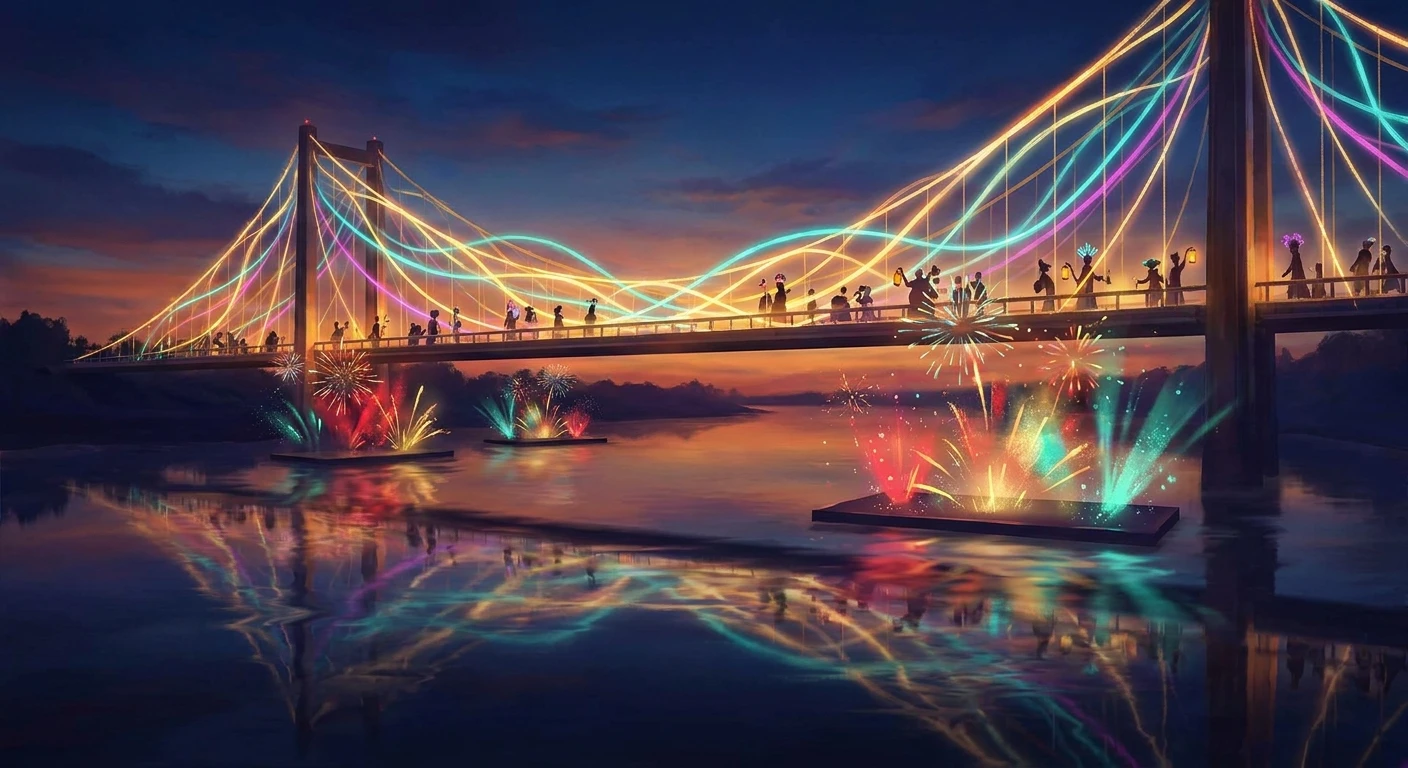
Knowing the exact dates is barely half the battle; you need to fundamentally understand the geography of the show. The value of securing a genuinely great spot translates directly into how much you will enjoy the night. For example, if you grab a spot on the Jacques Cartier Bridge, you get an unparalleled, overhead panoramic view of the explosions, but you absolutely sacrifice personal space. You will be shoulder-to-shoulder with thousands of strangers. On the flip side, laying down a blanket at the Clock Tower Beach in the Old Port gives you a deeply relaxed, family-friendly vibe, even though the lower trajectory fireworks might be partially blocked by the distant treelines and city structures.
| Viewing Location | Atmosphere & Vibe | Access Cost |
|---|---|---|
| Jacques Cartier Bridge | High energy, extremely crowded, entirely pedestrian | Completely Free |
| La Ronde Seating | Premium, immersive direct music, highly comfortable | Paid Tickets Required |
| Clock Tower Beach | Relaxed, sandy, romantic, slight distance | Small Entry Fee |
| Mount Royal Chalet | Distant, panoramic city backdrop, peaceful | Completely Free |
Getting your logistics right transforms a highly stressful evening into a completely seamless party. You really do not want to be running around searching for street parking while the first massive rockets launch into the air. Here is exactly what you must do to prepare:
- Scout incredibly early: Arrive at your deeply researched chosen location at least two full hours before the official 10:00 PM launch time.
- Tune into the official broadcast: The fireworks are meticulously synchronized to a specific music track. Bring a portable radio or use a local app to hear the live soundtrack, as it completely changes the emotional impact.
- Pack remarkably smart: Bring solid noise-canceling headphones for little ones, strong mosquito repellent, and a thermal blanket because the river breeze gets surprisingly chilly after sundown.
- Plan your exit: The metro system will be flooded instantly after the finale. Hang back, have a snack, and wait twenty minutes before rushing to the station.
The Deep Roots of the Spectacle
The Humble Origins
Montreal’s deep love affair with pyrotechnics did not just appear out of thin air. The International des Feux Loto-Québec began way back in 1985. Initially, it was designed as a somewhat smaller gathering meant to boost local tourism and better utilize the La Ronde amusement park area during the late evening hours. Local organizers fiercely wanted something that would bring people together over the St. Lawrence River, creating a shared community event. Back then, the technology was largely analog. Pyrotechnicians manually lit physical fuses or used highly basic electronic boards, relying heavily on internal timing and physical coordination. The scale was definitely impressive for the 1980s, but it was absolutely nothing compared to the digital precision we experience today.
Evolution into a Global Competition
By the 1990s and early 2000s, the event steadily transformed from a local tourist showcase into a remarkably fierce international competition. Countries began sending their absolute top pyrotechnic artists to compete for the highly prestigious Jupiter awards. The judging criteria became incredibly strict: teams were judged heavily on color synchronization, pacing, music integration, and overall artistic design. It essentially became the Olympics of fireworks. Montrealers quickly learned that the real magic was not just the loud explosions, but the rich storytelling. A 30-minute set was no longer just a visual display; it was a deeply emotional narrative painted dynamically across the night sky.
The Modern State of the Spectacle
Fast forward to 2026, and the festival operates as a fully integrated, state-of-the-art multimedia experience. Competing teams utilize highly advanced computer software to choreograph thousands of individual cues down to the absolute millisecond. The environmental impact is also heavily heavily monitored now, with modern shells utilizing highly eco-friendly biodegradable materials and significantly less smoke-producing powder to keep the city air much cleaner. The modern schedule usually spans late June to mid-August, regularly bringing in millions of dollars to the local economy and thoroughly uniting the city in a shared, awe-inspiring experience every single summer.
The Hidden Science Behind the Sky
The Chemistry of Pyrotechnic Colors
Have you ever paused and wondered exactly how teams create those blindingly vivid blues or intensely deep reds? It all comes down to fundamental chemistry. Each individual firework shell is meticulously packed with very specific metallic salts. When these exact salts heat up to extreme atmospheric temperatures, their internal electrons get instantly excited and forcibly release energy in the direct form of light. The exact color of that light depends entirely on the specific metal used. Strontium creates striking, deep reds. Barium makes insanely bright greens. Copper produces those incredibly rare, highly sought-after vibrant blues. Sodium generates brilliant yellows. The real technical challenge for the chemical engineers is structurally stabilizing these volatile chemicals so they burn at the exact right temperature while flying hundreds of feet violently in the air.
Digital Synchronization and Launch Mechanics
Today’s competitive displays are absolute marvels of digital engineering. The complex firing systems run entirely on heavily encrypted wireless networks to ensure absolute safety and flawless precision. The dedicated music soundtrack is fed directly into a master computer, which reads an advanced timecode and fires specific electronic matches inside the mortar tubes located on the launch pads.
- Electronic Match (E-match): A tiny wired device that positively ignites the lift charge in significantly less than a thousandth of a second the moment it receives a direct electrical current.
- Timecode (SMPTE): A hyper-precise digital clock that perfectly syncs the specialized firing software with the live audio track currently playing on local radio stations.
- Lift Charge vs. Burst Charge: The bottom lift charge violently propels the entire shell out of the tube, while a highly specific time-delay fuse triggers the inner burst charge exactly at the apex of the flight to powerfully scatter the colored stars.
- Mortar Racks: High-density polyethylene or reinforced fiberglass tubes angled precisely to create remarkably wide, sweeping fans of light completely across the sky.
- Comets and Mines: Low-level pyrotechnics that shoot brilliant streams of sparks upward from the ground, creating dynamic layers underneath the massive aerial shells.
Your Ultimate 7-Day Action Plan
Day 1: Confirm the Dates and Competing Countries
First, immediately check the official calendar online. Decide which specific country’s style fundamentally appeals to you most. The Italians often bring incredibly loud, traditional barrages, while the Japanese are globally known for mathematically perfect, beautifully symmetrical shells. Pick your absolute must-see night.
Day 2: Select Your Viewing Zone
Decide your total budget and desired vibe. Are you eagerly buying premium tickets for La Ronde, or are you claiming a completely free spot on the Jacques Cartier Bridge? Lock in your firm decision early so you can plan the rest of your logistics around that specific location.
Day 3: Arrange Transportation and Parking
Montreal street traffic during massive event nights is notoriously, incredibly chaotic. Buy your round-trip metro tickets well in advance or securely reserve a paid parking spot through a trusted local app. Public transit is universally recognized as the absolute best option.
Day 4: Prep Your Tech and Audio
The synchronized music is literally half the entire experience. Download the necessary local radio apps directly on your phone and triple-check your portable Bluetooth speaker or noise-isolating headphones. Make incredibly sure everything is fully charged overnight.
Day 5: Plan the Food and Drink Menu
If you are actively heading to the Old Port or a nearby grassy park, pack a sturdy cooler. Think easy finger foods: fresh wraps, cold pasta salads, and refreshing cold beverages. Remember firmly, glass bottles are usually heavily banned in all public spaces during the event.
Day 6: Check the Weather and Wind Direction
Look extremely closely at the local hourly forecasts. Wind direction is surprisingly critical—you actively want the wind blowing firmly away from your specific viewing spot so the thick smoke does not completely obscure the massive grand finale.
Day 7: Arrive Early and Claim Your Territory
On the exact day of the huge show, leave your house at least three full hours before the very first launch. Bring a comfortable thick blanket, set up your personal space respectfully, and deeply enjoy the beautiful sunset over the Montreal skyline while you wait.
Separating Myths from Reality
Myth: You absolutely have to pay ridiculously expensive ticket prices to see the show properly.
Reality: While La Ronde undeniably offers highly premium seating, the Jacques Cartier Bridge is completely shut down to all vehicle traffic and strongly offers one of the most spectacularly immersive, totally free vantage points in the entire city.
Myth: The remarkably bigger the firework shell, the significantly better the overall show.
Reality: Size simply is not everything. The professional judges score incredibly heavily on exact timing, unique color mixing, and exactly how well the bright explosions perfectly sync with the music’s deep emotional beats. A highly well-placed, quiet small comet sequence can easily outscore a massive, chaotic barrage.
Myth: Massive fireworks are completely terrible for the beautiful river’s local ecosystem.
Reality: Modern pyrotechnics actively use completely biodegradable paper casings and highly eco-friendly launch mechanisms. Festival organizers also routinely conduct massive, thorough cleanup operations on the river the very next morning to ensure absolutely zero debris is left behind.
Myth: Rain will instantly cancel the entire highly anticipated event.
Reality: The dedicated shows almost always go on during light or moderate rain. Only extremely severe lightning storms or genuinely dangerous high winds will definitively force a sudden postponement.
Frequently Asked Questions & Wrap-Up
What exact time do the fireworks usually start?
They typically launch at 10:00 PM sharp, regardless of normal rain or shine conditions.
Exactly how long does each specific performance last?
Each competing country’s meticulously crafted pyromusical display lasts exactly 30 minutes.
Is the Jacques Cartier bridge definitely closed to cars?
Yes, it entirely closes to all vehicle traffic a few hours roughly before the show starts.
Can I freely bring my family dog to the bridge?
It is highly, strictly discouraged due to the genuinely extreme, frightening noise levels.
Where exactly can I hear the synchronized live music?
Tune directly into the official radio sponsor, usually Rouge FM or highly similar local stations.
Are there accessible public bathrooms on the closed bridge?
Yes, numerous temporary portable toilets are conveniently set up at the main entrances of the bridge.
Can I easily fly a personal drone to film the show?
Absolutely not. The airspace is strictly restricted, and flying any drone is highly illegal and incredibly dangerous.
What actually happens if there is an extreme thunderstorm?
In highly rare cases of severe lightning, organizers will actively postpone the show and officially announce the new date online.
Conclusion
Getting your absolute hands on the strictly correct fireworks montreal schedule is undeniably your golden ticket to a genuinely unforgettable summer. Plan your specific nights carefully, heavily secure your prime spots early, and deeply enjoy the pure magic exploding over the gorgeous St. Lawrence River. Do not wait around—start heavily coordinating your friend group right now and make sure you do not miss a single launch!