
The Sudden Impact of the Barrie Tornado 2021
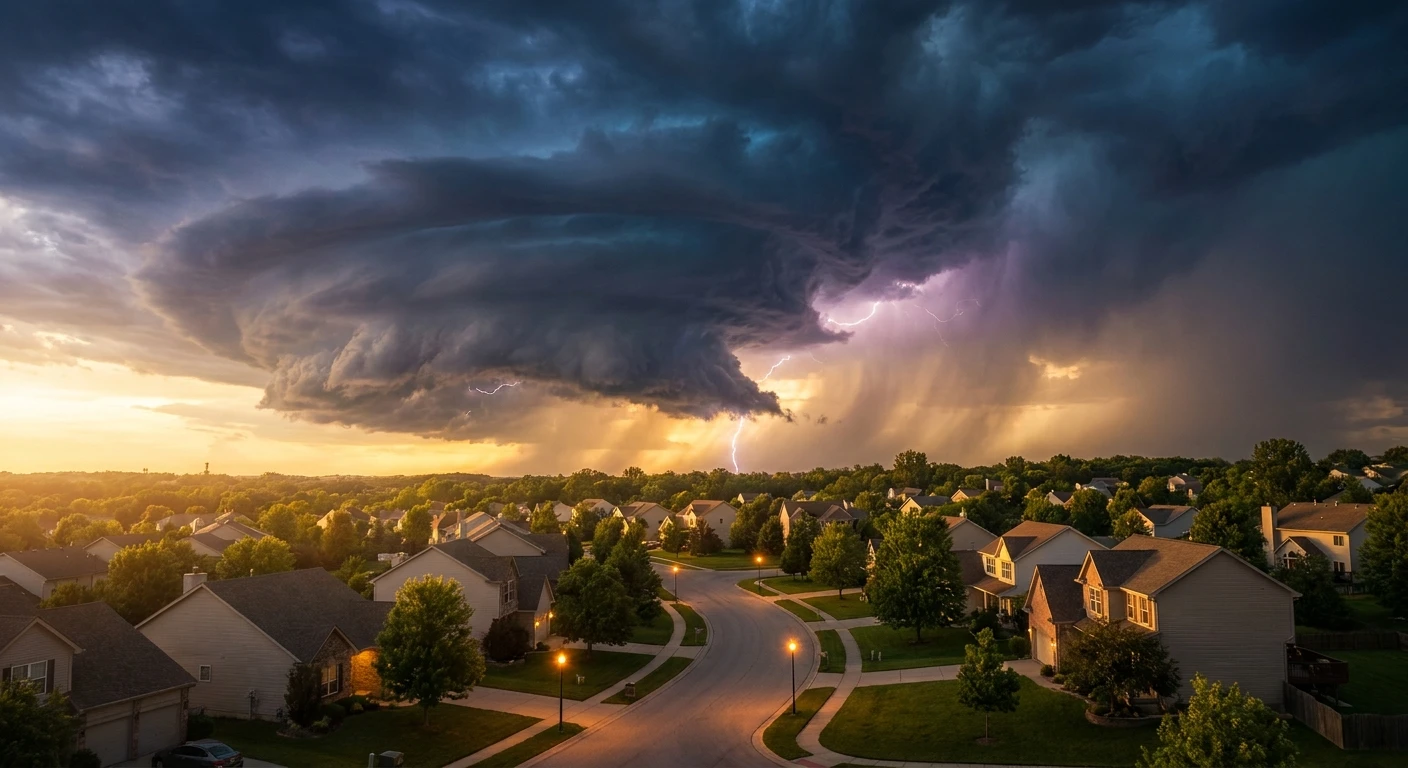
When tracking extreme weather events across North America, the Barrie Tornado 2021 stands out as a prime example of rapid atmospheric volatility and community resilience. On the afternoon of July 15, 2021, residents of the Prince William Way neighborhood experienced a catastrophic shift in the weather. Within minutes, darkened skies gave way to an EF2 tornado that carved a sudden, destructive path through the southern end of the city. We are looking at a meteorological phenomenon that caused tens of millions of dollars in structural damage, displaced dozens of families, and fundamentally altered local approaches to emergency preparedness.
The swift nature of this severe storm left little time for residents to react, emphasizing the critical need for advanced warning systems and structural integrity in residential zones. By dissecting the timeline, damage, and response efforts, we gain a clear perspective on how urban environments handle sudden environmental crises. Understanding these severe weather patterns is not just about recording meteorological data; it provides actionable insights into building stronger, more secure neighborhoods capable of withstanding extreme conditions.
Read also: edmonton fire Safety Guide & Tips; Updates on the halifax fire and Safety Tips.
Evaluating the Harm and Community Response
The sheer physical force of the Barrie Tornado 2021 demonstrated how vulnerable modern suburban developments can be to concentrated wind events. The storm system leveled fences, tore roofs entirely off two-story homes, and shattered windows across multiple blocks. The immediate harm was heavily concentrated in property destruction, but the psychological impact on the residents was equally profound. The sudden loss of shelter and security created a massive localized emergency that required an immediate, coordinated response from both municipal services and ordinary citizens.
Despite the extensive damage, a distinct value proposition emerged in the aftermath: unparalleled community mobilization. First, local contractors and volunteers rapidly secured compromised structures to prevent further weather damage. Second, neighborhood groups organized instantaneous supply drives, ensuring displaced residents had access to food, water, and temporary lodging before government aid fully mobilized.
| Impact Zone | Primary Damage Type | Estimated Recovery Timeline |
|---|---|---|
| Prince William Way Area | Total roof loss, structural wall collapse | 18 to 24 Months |
| Majestic Parade | Significant exterior damage, broken windows | 6 to 12 Months |
| Local Infrastructure | Downed power lines, uprooted mature trees | 1 to 3 Months |
To fully grasp how the city managed the immediate aftermath, we must look at the specific operational steps implemented by emergency crews:
- Immediate Perimeter Control: First responders quickly established a hard perimeter around the hardest-hit zones to prevent unauthorized access and protect citizens from live electrical wires and unstable structures.
- Rapid Search and Rescue Operations: Fire departments and emergency medical teams systematically checked every heavily damaged property, utilizing specialized equipment to ensure no residents were trapped beneath collapsed roofs or debris.
- Staged Utility Disconnection: Hydro crews worked urgently to cut power and gas to the affected grid, effectively neutralizing the risk of post-storm fires or secondary explosions in the neighborhood.
- Debris Management Strategies: Heavy machinery was deployed within hours to clear main arterial roads, ensuring ambulances and supply trucks could navigate the area without dangerous delays.
Origins of the Storm
The atmospheric conditions that birthed the Barrie Tornado 2021 were highly conducive to severe thunderstorm development. A potent cold front was aggressively sweeping across southern Ontario, clashing violently with an unusually warm and humid air mass situated over the Great Lakes region. This clash created severe atmospheric instability. Meteorologists were actively tracking a line of supercell thunderstorms originating near Lake Huron. As these supercells tracked eastward, the specific wind shear dynamics in the lower atmosphere began to rotate the updrafts. This rotation rapidly intensified as the cell approached the city limits, eventually dropping a funnel cloud directly into a densely populated residential sector.
Evolution of the Damage Path
Once the funnel made contact with the ground, its path of destruction was swift, erratic, and highly concentrated. The tornado carved a track approximately five kilometers long and up to 100 meters wide. The evolution of the damage showed a clear intensification phase; initial reports indicated minor tree damage before the vortex strengthened, generating wind speeds exceeding 210 kilometers per hour. As it moved through the Prince William Way subdivision, the tornado exhibited classic suction vortex behavior, meaning localized areas within the main funnel experienced extreme pressure drops and wind spikes. This explains why some homes were completely decimated while neighboring properties sustained only minor shingle damage.
Modern State of Barrie
Looking at the modern landscape, the recovery from the storm has been extensive. Now, in 2026, the scars of the Barrie Tornado 2021 are mostly healed, replaced by updated construction standards and heightened community awareness. Many of the homes that were entirely rebuilt now feature hurricane straps and reinforced roofing materials, directly resulting from the lessons learned during the storm. The local government has aggressively updated its emergency broadcast protocols, ensuring that mobile alerts reach residents faster than they did on that fateful July afternoon. The neighborhood has transformed from a site of sudden devastation into a model of modern suburban resilience.
Meteorological Factors
To comprehend the sheer power of the Barrie Tornado 2021, we must look closely at the underlying meteorological factors. Severe weather depends on specific ingredients: moisture, instability, lift, and wind shear. On the day of the event, Convective Available Potential Energy (CAPE) values were exceptionally high, providing the explosive fuel needed for rapid cloud growth. Furthermore, directional wind shear—where winds change direction and increase in speed with altitude—was perfectly aligned to induce rotation within the storm cell. Radar signatures leading up to the touchdown displayed a prominent hook echo, a classic radar indication that a mesocyclone was producing a tornado. The rapid drop in barometric pressure within the funnel created a vacuum effect, which contributed significantly to the structural failures seen in residential roofs.
Understanding the EF Scale
The Enhanced Fujita (EF) scale is the standard metric used by meteorologists to rate tornado intensity based on the severity of the damage caused. The Barrie Tornado 2021 was officially classified as an EF2. This classification is not assigned based on recorded wind speed during the event, but rather through meticulous post-storm engineering analysis.
- Damage Indicators: Investigators analyze specific structures, such as well-built family homes, hardwood trees, and commercial buildings, to gauge wind impact.
- Degrees of Damage: Each indicator has a typical sequence of failure. For a residential home, losing roof shingles is a lower degree, whereas total roof failure indicates much higher wind speeds.
- Estimated Wind Speeds: Based on the total removal of roofs and the collapse of exterior walls in Barrie, engineers estimated maximum wind speeds of roughly 210 km/h.
- Vortex Signatures: The concentrated debris field confirmed that the tornado maintained a tight, highly destructive core throughout its lifespan.
Actionable Weather Preparedness Plan
Learning from historical weather events is crucial for future safety. Implementing a structured preparedness plan ensures that you and your family are never caught off guard when severe weather strikes. Here is a comprehensive, step-by-step guide designed to fortify your readiness over the course of a week.
Step 1: Building a Survival Kit
Your first priority is assembling a robust emergency kit. This kit should sustain your family for at least 72 hours without external assistance. Include ample bottled water, non-perishable food items, a comprehensive first-aid kit, and vital medications. Pack heavy-duty work gloves, closed-toe footwear, and safety goggles to protect yourself from shattered glass and sharp debris immediately following a storm. Store this kit in the safest room of your home where it is easily accessible in total darkness.
Step 2: Securing Home Weak Points
Conduct a thorough physical inspection of your property to identify vulnerabilities. Ensure that your roof shingles are properly secured and inspect the structural integrity of your garage doors, which are notoriously weak points during high wind events. Trim dead or overhanging branches from large trees situated close to your primary structure. Securing loose outdoor furniture, grills, and trampolines is essential, as these items easily become lethal airborne projectiles during severe windstorms.
Step 3: Formulating a Family Strategy
A physical kit is useless without a clear communication and action plan. Sit down with your household and establish exactly what will happen if a tornado warning is issued. Designate a primary shelter location, preferably a basement or an interior windowless room on the lowest floor. Assign specific responsibilities to each family member, such as who grabs the emergency kit and who secures the family pets. Practice this drill regularly so the physical response becomes pure muscle memory.
Step 4: Monitoring Weather Alerts
Relying solely on visual cues or outdoor sirens is a dangerous gamble. Purchase a dedicated NOAA weather radio with battery backup capabilities. Ensure that your smartphone is configured to receive wireless emergency alerts overriding silent mode. Familiarize yourself with the exact difference between a “Tornado Watch” (conditions are favorable for development) and a “Tornado Warning” (a tornado has been sighted or indicated by weather radar and immediate action is required).
Step 5: Identifying Safe Zones
If you live in a structure without a basement, such as an apartment or a mobile home, you must identify alternative safe zones well in advance. For mobile home residents, determine the closest reinforced community shelter and exactly how long it takes to travel there. In an apartment complex, the lowest central hallway or a ground-floor stairwell away from external glass provides the best available protection against extreme pressure drops and flying debris.
Step 6: Post-Storm Protocols
Surviving the actual tornado is only the first phase; the immediate aftermath presents severe, hidden dangers. Establish strict rules for the post-storm environment. Never leave your safe room until the warning has officially expired. When navigating your property, treat all downed power lines as fully energized and lethal. Use high-powered flashlights rather than open flames or candles, as ruptured natural gas lines pose a massive explosion risk in heavily damaged neighborhoods.
Step 7: Community Coordination
Individual survival is intrinsically linked to community resilience. Take the time to connect with your immediate neighbors to understand their specific vulnerabilities. Knowing which neighbors are elderly, disabled, or require medical devices dependent on electricity allows for highly efficient, targeted assistance after a disaster. Create a localized text chain or digital group specifically designated for neighborhood emergency communications.
Myths & Reality Regarding Tornadoes
Misinformation during extreme weather can be highly dangerous. Let us directly address some prevalent misconceptions.
Myth: Opening all the windows in your house will equalize pressure and prevent the roof from blowing off.
Reality: Opening windows severely compromises the structural envelope of your home. It allows violent winds to enter the structure, actively pushing upward against the roof and causing immediate structural failure. You should stay away from windows entirely.
Myth: Cities and densely populated suburban areas are protected from tornadoes.
Reality: The Barrie Tornado 2021 proved definitively that urban environments are not immune. Tornadoes are dictated strictly by atmospheric physics, which are completely indifferent to the presence of asphalt, buildings, or human populations.
Myth: Hiding under a highway overpass is a safe strategy if caught driving.
Reality: Overpasses act as deadly wind tunnels. They funnel and accelerate the wind, making you highly susceptible to flying debris and the sheer suction force of the vortex.
FAQ: Frequently Asked Questions
When exactly did the storm occur?
The severe weather event struck the southern portion of the city on the afternoon of July 15, 2021, rapidly developing and touching down with very little advanced warning.
What was the maximum wind speed recorded?
Based on post-storm structural analysis, engineers determined the maximum wind speeds reached approximately 210 kilometers per hour, securing its EF2 classification.
Were there any fatalities reported?
Fortunately, despite the incredible destruction of residential property, there were zero fatalities reported, though several residents sustained injuries requiring hospitalization.
How wide was the destruction path?
The main path of localized destruction was up to 100 meters wide, though lighter debris was scattered across a much larger geographic footprint.
Did the city have sufficient warning?
Environment Canada issued a tornado warning minutes before touchdown, but the incredibly fast development of the localized funnel meant many residents had only moments to seek shelter.
How long did the neighborhood recovery take?
While utility restoration happened within days, the full structural rebuilding of completely destroyed homes spanned anywhere from 18 to 24 months.
Are extreme storms common in this region?
Southern Ontario does experience a recognized tornado season during the summer months, and the area has historical precedents, most notably a devastating storm in 1985.
What should I do to protect my property today?
Consult with specialized roofing contractors regarding hurricane straps and reinforced materials, and ensure all dead trees near your house are professionally removed.
Final Thoughts
The Barrie Tornado 2021 serves as a stark reminder of the sheer power of atmospheric volatility and the necessity of structural and personal preparedness. The speed at which the supercell developed and inflicted damage highlights why passive observation is never enough during severe weather warnings. As we reflect on the swift community mobilization and the ongoing rebuilding efforts evident even in 2026, the underlying lesson is clear: readiness saves lives. Take the time right now to review your family emergency plan, upgrade your survival kit, and ensure you are fully prepared for whatever weather patterns develop in the future. Stay informed, stay vigilant, and fortify your home today.