
Why Carnaval del Sol Vancouver is the Pacific Northwest’s Premier Latin Event
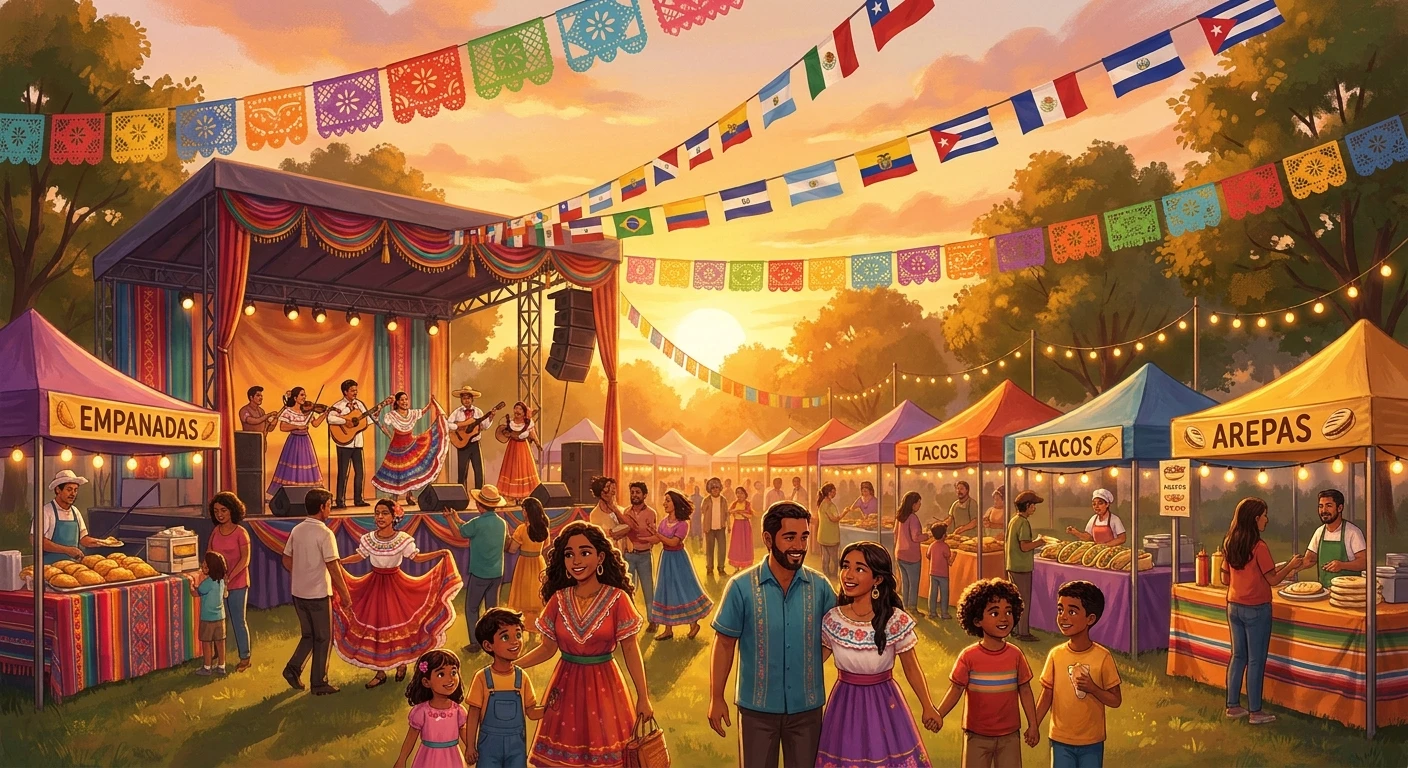
If you are looking for the largest and most vibrant Latin American festival in the Pacific Northwest, Carnaval del Sol Vancouver delivers an unmatched celebration of music, art, and culinary excellence directly to British Columbia. This massive event completely transforms the city’s usual rhythm into a high-energy, colorful celebration that draws thousands of locals and tourists alike. Picture a weekend where the atmosphere is charged with live salsa, the aroma of grilled meats, and the brilliant sights of traditional folklore outfits from across the Americas. It is not just a party; it is a meticulously organized cultural bridge that brings the rich, diverse heritage of multiple Latin American nations into one accessible space. Organized by Latincouver, the festival serves as a cornerstone for Latin American Heritage Month, offering an immersive experience that goes far beyond standard outdoor concerts. Whether you are coming for the authentic cuisine, the dynamic live performances, or the bustling artisan markets, the event offers a comprehensive cultural education disguised as an unforgettable weekend bash. It functions as a powerful economic driver for minority-owned businesses and a massive community builder that strengthens intercultural ties.
Understanding the value of this festival means recognizing its dual role as both an entertainment powerhouse and a crucial platform for community enrichment. The core value proposition of Carnaval del Sol Vancouver is simple: it provides an authentic, high-quality cultural immersion while actively supporting local artisans, performers, and chefs. For example, rather than eating generic street food, you have the opportunity to taste regional specialties like handmade Colombian arepas or authentic Peruvian ceviche crafted by families who have perfected these recipes for generations. Another prime example is the artisan market, where you can purchase ethically sourced, handcrafted textiles directly from the creators, ensuring your money supports grassroots economies. To truly maximize your time at the festival grounds, you need a solid strategy.
Read also: Experience Frost Regina: The Ultimate Winter Festival; Ultimate Guide to Exhibition Saskatoon: Events & History.
- Arrive early in the day to beat the longest food lines and secure a prime spot near the main stage.
- Utilize public transit, as downtown parking becomes extremely limited and expensive during the event weekend.
- Bring sufficient sun protection and stay hydrated, because the open-air venues offer limited natural shade during peak afternoon hours.
To give you a clearer picture of how the event is structured, here is a breakdown of the primary festival zones you will encounter:
| Festival Zone | What to Expect | Best Time to Visit |
|---|---|---|
| The Food Plaza | Dozens of vendors selling diverse regional cuisines and drinks. | 11:30 AM (Before the massive lunch rush) |
| The Main Stage | High-energy live bands, DJs, and major dance performances. | Late afternoon into the evening |
| The Family & Kids Plaza | Interactive workshops, face painting, and family-friendly shows. | Early afternoon for peak activities |
The Origins of the Festival
The story of Carnaval del Sol Vancouver begins with a profound desire to unite the growing Latin American diaspora in British Columbia. Launched by Latincouver, a non-profit organization dedicated to fostering business and cultural ties between Latin America and Canada, the festival started as a relatively modest gathering. The initial goal was simply to create a safe, welcoming space where immigrants could celebrate their heritage and share their traditions with the wider Canadian public. In those early days, the event relied heavily on passionate volunteers and grass-roots marketing to draw a crowd, setting a foundation of authentic community spirit that persists today.
Evolution and Growth Over the Years
As word spread about the incredible food and infectious music, the festival’s footprint rapidly expanded. It transitioned from smaller community spaces into massive, high-capacity downtown venues to accommodate the surging attendance. The programming evolved from a single stage to a sprawling, multi-plaza format featuring distinct zones for arts, sports, kids, and a massive beer garden. Even during challenging global periods that restricted public gatherings, the organizers demonstrated remarkable resilience by pivoting to hybrid models and online cultural weeks, ensuring the community remained connected before eventually returning to full-scale, open-air mega-events.
The Modern State of the Celebration
Today, the festival stands as a monumental operation and the crown jewel of Latin American Heritage Month in the province. It attracts hundreds of artists, dozens of vendors, and crowds numbering in the tens of thousands. The modern iteration is highly structured, professionally produced, and recognized by municipal authorities as a key event in the city’s summer tourism calendar. It is a seamless blend of indigenous ceremonies, contemporary urban Latin music, traditional folklore, and high-end gastronomy, solidifying its reputation as a world-class cultural institution.
The Science Behind Large-Scale Acoustics
Managing the audio logistics for a massive open-air event like Carnaval del Sol Vancouver requires highly specialized acoustic engineering. When you have a booming main stage playing reggaeton, a secondary stage featuring traditional acoustic folklore, and a bustling beer garden with its own DJ, sound bleed becomes a critical issue. Audio engineers utilize directional line array speaker systems designed to focus sound waves directly at the audience rather than dispersing them outward. By precisely calculating the delay times between multiple speaker towers, technicians ensure that sound reaches the back of the crowd at the exact same moment as the front. This acoustic baffling and strategic speaker placement keeps the rhythm punchy and clear without violating the city’s strict municipal decibel limits for outdoor parks.
The Gastronomic Logistics of Mass Catering
Serving high-quality, culturally authentic food to tens of thousands of attendees in a temporary park setting involves rigorous scientific food safety and cold-chain logistics. Maintaining the exact temperature of sensitive ingredients in the middle of a hot summer weekend is a massive technical challenge.
- Generators are mapped using spatial load analysis to ensure industrial refrigerators maintain a continuous sub-zero power supply without overloading temporary power grids.
- Raw seafood used in delicate dishes like ceviche is monitored with digital temperature loggers to strictly adhere to health authority guidelines.
- High-density crowd flow is managed through predictive spatial modeling, which dictates exactly where food trucks are positioned to prevent dangerous pedestrian bottlenecks during peak meal hours.
Step 1: Secure Your Tickets Early
Do not wait until you are standing outside the gates to figure out your entry. Buying your weekend passes online well in advance saves you money and lets you bypass the massive walk-up lines. Look into VIP options if you want access to shaded seating areas and dedicated washrooms.
Step 2: Map Out the Plazas
Before you even arrive, pull up the festival map on your phone. Familiarize yourself with the layout of the Food Plaza, the Art Plaza, and the Main Stage. Having a mental grid prevents you from wandering aimlessly and ensures you do not miss hidden gems tucked away in the cultural corners.
Step 3: Prioritize the Food Truck Lines
Food is a massive draw, and lines for popular vendors can easily stretch for an hour during peak times. Hit the food section by 11:30 AM. Grab your heavy items like empanadas and choripán early, then snack on lighter treats like churros later in the afternoon when the main food lines peak.
Step 4: Catch the Morning Cultural Workshops
The earlier hours of the festival are dedicated to intimate, educational experiences. Participate in a salsa dancing lesson, watch a traditional cooking demonstration, or listen to indigenous storytelling. These workshops provide deep cultural context that enhances the rest of your day.
Step 5: Transition to the Beer Garden
As the afternoon heats up, transition to the 19+ licensed areas. This is the perfect time to grab a cold michelada or a craft beer. The beer garden usually offers great sightlines to the stage, allowing you to rest your feet while still feeling completely connected to the party.
Step 6: Explore the Artisan Market
Take a break from the intense sun and loud music by walking through the artisan stalls. This is where you can buy unique jewelry, custom apparel, and handcrafted home goods. Chatting directly with the vendors here offers a much more personal connection to the cultures being celebrated.
Step 7: Experience the Main Stage Finale
Pace your energy so you can stay for the evening headliners. As the sun sets, the temperature drops, but the energy of the crowd skyrockets. The final performances on the main stage are always spectacular, featuring massive bands that get the entire park dancing together.
Myth: The festival is exclusively designed for people of Latin American descent.
Reality: The event is radically inclusive and explicitly designed to share the beauty of the culture with the wider Canadian public. You are highly encouraged to attend, learn, and participate regardless of your background.
Myth: It is just another standard food truck festival with background music.
Reality: While the food is spectacular, the event is a comprehensive cultural arts festival featuring hundreds of live musicians, professional dancers, fashion shows, and indigenous ceremonies.
Myth: You need to be fluent in Spanish or Portuguese to navigate the event and enjoy yourself.
Reality: Everything is fully accessible in English. Vendors, artists, and organizers are thrilled to explain their heritage, menus, and art to anyone who asks.
Is the festival family-friendly?
Yes, it features a dedicated kids’ plaza with face painting, games, and interactive shows.
Where is the event usually held?
It typically takes place at large downtown venues like Concord Pacific Place or Jonathan Rogers Park.
Can I bring my dog?
Pets are generally allowed if kept on a leash, but always check the specific venue rules beforehand.
Are there vegetarian food options?
Absolutely, vendors offer plenty of plant-based choices ranging from bean empanadas to vegan tacos.
Is the venue wheelchair accessible?
Yes, the festival grounds are carefully laid out on flat terrain to ensure full accessibility for all guests.
Do vendors take card payments?
Most vendors accept cards, but bringing some cash is highly recommended for smaller artisan purchases.
What happens if it rains?
The festival operates rain or shine, utilizing large covered tents and pavilions to keep the party going.
Carnaval del Sol Vancouver is an absolute must-attend event that captures the true spirit of Latin America right in the Pacific Northwest. From the incredible gastronomy to the world-class entertainment and deep community roots, it offers a weekend of pure joy and cultural connection. Grab your tickets, plan your itinerary, and get ready to experience the rhythm for yourself!