

Why Everyone is Talking About the joker prepaid Option Right Now
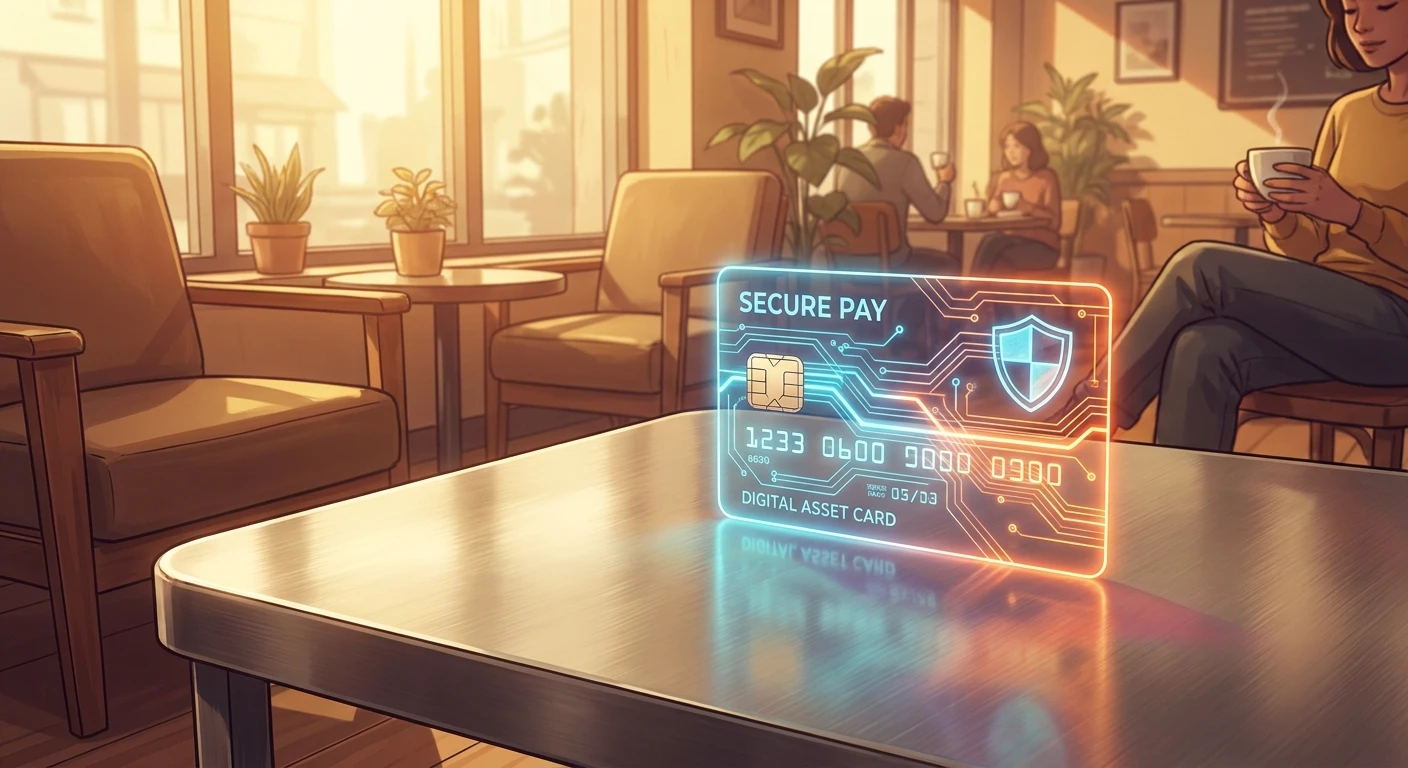
Have you noticed how often the phrase joker prepaid keeps popping up when friends talk about managing their money online? I definitely have. Just the other day, I was grabbing an espresso at a ridiculously busy little coffee spot near the Golden Gate here in Kyiv. A buddy of mine, who is usually super paranoid about data leaks and digital privacy, just casually tapped a bright, distinct card on the terminal to pay for our drinks. Naturally, I asked him what he was using, and his explanation completely shifted my perspective on everyday spending. The core thesis here is straightforward: having an isolated, dedicated payment method is no longer just for travelers or people avoiding traditional banks. It is the smartest, most effective strategy for managing subscriptions, stopping unexpected overcharges, and protecting your primary checking account from sketchy online vendors.
You see, we often just hand over our primary debit numbers to any website that asks for it. But when you switch your daily micro-transactions over to a controlled, reloadable platform, you instantly build a fortress around your actual life savings. I want to share exactly why this specific tool has become my absolute favorite financial hack. By the end of this read, you are going to understand exactly how to set it up, how to avoid common pitfalls, and why it makes total sense for your own wallet. Grab a drink, get comfortable, and let me walk you through the entire ecosystem of secure, isolated spending.
The Core Benefits: How It Actually Protects Your Cash
When you really look at how financial systems operate, the mechanics behind a dedicated reloadable option are beautifully simple yet highly effective. You basically load a specific amount of funds onto the card, and it acts as a rigid buffer between your real bank account and the infinite void of the internet. This creates a massive shield against data breaches, which seem to happen every other Tuesday now. If a merchant’s database gets compromised, hackers only see the temporary details of your isolated card, not the master key to your livelihood.
Think about a couple of highly realistic scenarios where this saves you a massive headache. First, imagine you are trying to buy a limited-edition piece of merchandise from a somewhat unknown overseas vendor. If you use your main credit card, you might spend weeks stressing about unauthorized charges showing up later. If you use an isolated payment method loaded with exactly the right amount, your maximum possible loss is literally zero beyond the purchase price. Second, think about your monthly entertainment subscriptions. We all sign up for free trials and completely forget to cancel them. If you attach those trials to a card with a strictly enforced balance, the service simply fails to renew once the funds are gone, saving you from those annoying ghost charges.
- Total Privacy Control: You decide exactly how much personal information you expose during the checkout process, keeping your primary identity entirely decoupled from your daily minor transactions.
- Unbreakable Budget Constraints: It is physically impossible to overdraw the account. This means absolutely zero hidden overdraft fees and no surprise negative balances at the end of the month.
- Instant Cross-Border Utility: Because these run on major global payment networks, they work flawlessly across international digital gateways and physical storefronts without throwing fraud alerts every five minutes.
| Feature Breakdown | Traditional Bank Card | Prepaid Buffer Strategy |
|---|---|---|
| Data Security & Isolation | High risk; directly links to your main savings and checking. | Isolated funds; breaches cannot touch your main wealth. |
| Credit Requirements | Requires hard credit pulls and a solid financial history. | Zero credit checks required; approval is virtually guaranteed instantly. |
| Overspending Risk | Very high; easy to rack up debt or trigger massive overdraft fees. | Zero risk; transactions simply decline if sufficient funds are not present. |
The Origins and Evolution of Digital Spending Tools
The Early Days of Stored Value
To really appreciate what we have now, you have to look back at how these systems originally started. Decades ago, stored value systems were incredibly rudimentary. You might remember the old transit passes or single-store gift certificates. They were hyper-localized. You handed over cash, and a clerk handed you a piece of plastic that only worked in one specific building or on one specific bus route. There was no internet connectivity, no real-time balance checking, and certainly no consumer protection. If you lost that piece of plastic, your money was completely gone. It was essentially just heavy, inconvenient cash.
The Massive Shift to Open-Loop Systems
Things started to get really interesting around the early 2000s when major credit networks realized they could attach their massive routing infrastructure to these prepaid balances. This was the birth of the ‘open-loop’ system. Suddenly, a card you bought at a grocery store could be used to book a hotel halfway across the world. However, these early iterations were still plagued by insane activation fees, clunky phone systems for checking your balance, and a general stigma that they were only for people completely locked out of the traditional banking system. The technology was there, but the user experience was incredibly frustrating and slow.
The Modern State in 2026
Fast forward to the landscape of 2026, and the reality is completely different. The modern iteration of these tools is driven by slick mobile interfaces, instant digital issuance, and robust API integrations. You no longer need to stand in line at a pharmacy to buy a cardboard package. The current ecosystem allows you to generate virtual numbers on the fly, lock and unlock them with biometric authentication on your phone, and integrate them seamlessly into your wearable tech. It has transitioned from a tool of last resort into a premium privacy feature used by tech workers, budget-conscious families, and frequent travelers who demand absolute control over their digital footprint.
The Tech Deep Dive: What Happens Under the Hood
The Mechanics of Financial Tokenization
You might be wondering how your transactions stay safe when the data travels through the air at a coffee shop or across the world to a server. The magic word here is tokenization. When you tap your phone or card to buy something, your actual account number is never transmitted to the merchant. Instead, the payment network generates a unique, one-time alphanumeric string of characters—a token. The merchant’s terminal reads this token, sends it to the payment processor, and the processor matches it back to your account in a highly secure vault. If a hacker intercepts the transmission, all they get is a meaningless, expired string of text that can never be used again. This makes cloning virtually impossible.
Encryption Protocols and Isolated Ledgers
Behind the scenes, the architecture relies on deeply layered security protocols that keep your funds completely isolated from external threats. Let me break down the hard technical facts that make this possible:
- 256-bit AES Encryption: Every single piece of data flowing between your mobile app, the issuing server, and the merchant is scrambled using military-grade encryption standards, ensuring data integrity at rest and in transit.
- Dynamic CVV Generation: Many modern platforms now cycle the three-digit security code every hour. Even if someone shoulder-surfs your card details, the code becomes useless by the time they get home.
- Segregated Cloud Ledgers: Your balance is maintained on a dedicated server cluster entirely separate from traditional banking mainframes, meaning systemic banking outages often do not affect your ability to spend your prepaid funds.
- Instantaneous API Handshakes: When a merchant requests authorization, the system executes over a dozen micro-checks (location matching, velocity limits, merchant category blocks) in under 800 milliseconds before approving the transaction.
The 7-Step Actionable Master Plan
Step 1: Choosing Your Format
Your very first move is deciding whether you want a physical piece of plastic or a purely digital asset. For most internet-based spending and quick local taps via your phone, the virtual route is vastly superior. You can literally download the application, verify your phone number, and have a working digital card on your screen in about three minutes. If you need to withdraw cash at ATMs, opt for the physical version to be mailed to your house.
Step 2: Navigating the Quick Registration
Forget the massive stacks of paperwork you usually face at a bank branch. The registration process here is entirely streamlined. You will typically need to provide just a basic name, a valid email address, and a mobile number. The system runs a silent background check purely for anti-money laundering compliance, not a credit check. You are approved almost instantly, which feels incredibly refreshing compared to legacy banking bureaucracies.
Step 3: Executing Your Initial Fund Load
Once your account is live, you need to fuel it up. The best strategy is to link a standard debit card or initiate a direct bank transfer. Start small. Push over fifty bucks just to get a feel for how the ecosystem works. Many platforms also allow you to walk into thousands of retail partners and hand over physical cash, which they instantly digitize and push to your balance via a barcode scan on your screen.
Step 4: Integration with Digital Wallets
Do not skip this step. Immediately navigate to the settings menu and push the new credentials to Apple Pay, Google Wallet, or whatever NFC system you prefer. This is where the real convenience kicks in. You want to be able to leave your wallet at home entirely and just double-click your phone or smartwatch when you are standing at the checkout counter. It makes the entire experience frictionless.
Step 5: Configuring Aggressive Transaction Alerts
Knowledge is power, especially when it comes to your money. Go into the notification settings and turn on push alerts for absolutely everything. You want your phone to buzz the exact second a charge is attempted, whether it succeeds or declines. This real-time feedback loop is your best defense against subscription bloat and accidental double-charges by clumsy cashiers.
Step 6: Executing a Test Run
Now it is time for a live fire exercise. Go find a small online purchase you have been meaning to make—maybe a new book, a software tool, or just ordering lunch through a delivery app. Update the payment method to your newly minted numbers. Watch how fast the transaction clears, see the instant push notification hit your screen, and watch your balance instantly update without any weird ‘pending’ delays.
Step 7: Establishing the Auto-Reload Habit
To really make this a permanent part of your financial lifestyle, set up a mental or automated rule. Maybe every Sunday evening, you evaluate your ‘fun money’ budget for the week and push exactly that amount to the prepaid balance. Once that money runs out by Thursday, you simply stop buying coffees and lunches out. It forces discipline in a way that traditional credit limits completely fail to do.
Separating the Myths from the Reality
Myth: These tools are strictly for teenagers or people with terrible financial histories.
Reality: That stereotype is massively outdated. Today, high-earning tech professionals, privacy advocates, and frequent international travelers are the primary adopters because they understand the immense value of compartmentalizing their digital risk.
Myth: You cannot use them to book hotels or rent cars.
Reality: While some legacy car rental agencies prefer credit for massive security deposits, the vast majority of modern travel platforms accept major prepaid options flawlessly, provided you have enough funds to cover the incidental hold amount.
Myth: The hidden fees will slowly drain all your loaded money.
Reality: The market is incredibly competitive now. If you choose a reputable provider, monthly maintenance fees and inactivity fees are largely a thing of the past. As long as you read the straightforward fee schedule, you can easily use the service completely free of charge.
Your Quick FAQ Guide and Final Thoughts
Are there mandatory monthly maintenance fees?
Usually, no. Most modern platforms have completely dropped monthly fees to stay competitive, though you might pay a tiny fee if you choose to load funds using physical cash at a register.
Can I withdraw physical cash from an ATM?
Yes. If you requested the physical plastic version and set up a secure PIN, you can use almost any global ATM network. Just keep an eye out for standard out-of-network withdrawal charges.
Do the funds eventually expire if I don’t use them?
The physical plastic itself might have an expiration date printed on the front, but your actual underlying money does not expire. You simply request a replacement number when the date approaches.
Can I get my paycheck direct deposited?
Absolutely. Most established platforms provide you with standard routing and account numbers specifically so you can hand them to your employer for seamless direct deposit.
Is it safe to use on international websites?
Yes, and it is actively encouraged. It automatically handles the currency conversion on the backend, and if the site turns out to be shady, your primary bank account remains completely untouched.
Can I instantly lock the account if I lose my phone?
Yes. You can usually log in from any web browser and hit a giant ‘Freeze’ button, which instantly declines all future authorization attempts until you unfreeze it.
How fast do refunds process?
When a merchant issues a refund, it travels through the exact same network as traditional banks. It typically takes between three to five business days to reflect back on your available balance.
Getting your digital spending under tight control doesn’t have to be a massive headache. By setting up this isolated buffer, you are taking a massive, proactive step toward protecting your privacy and enforcing your own budget rules. The peace of mind alone is worth the five minutes it takes to set up. Stop leaving your primary checking account vulnerable to the wild west of the internet. Go grab your new account, load up your coffee budget for the week, and take absolute control over your digital wallet today!