
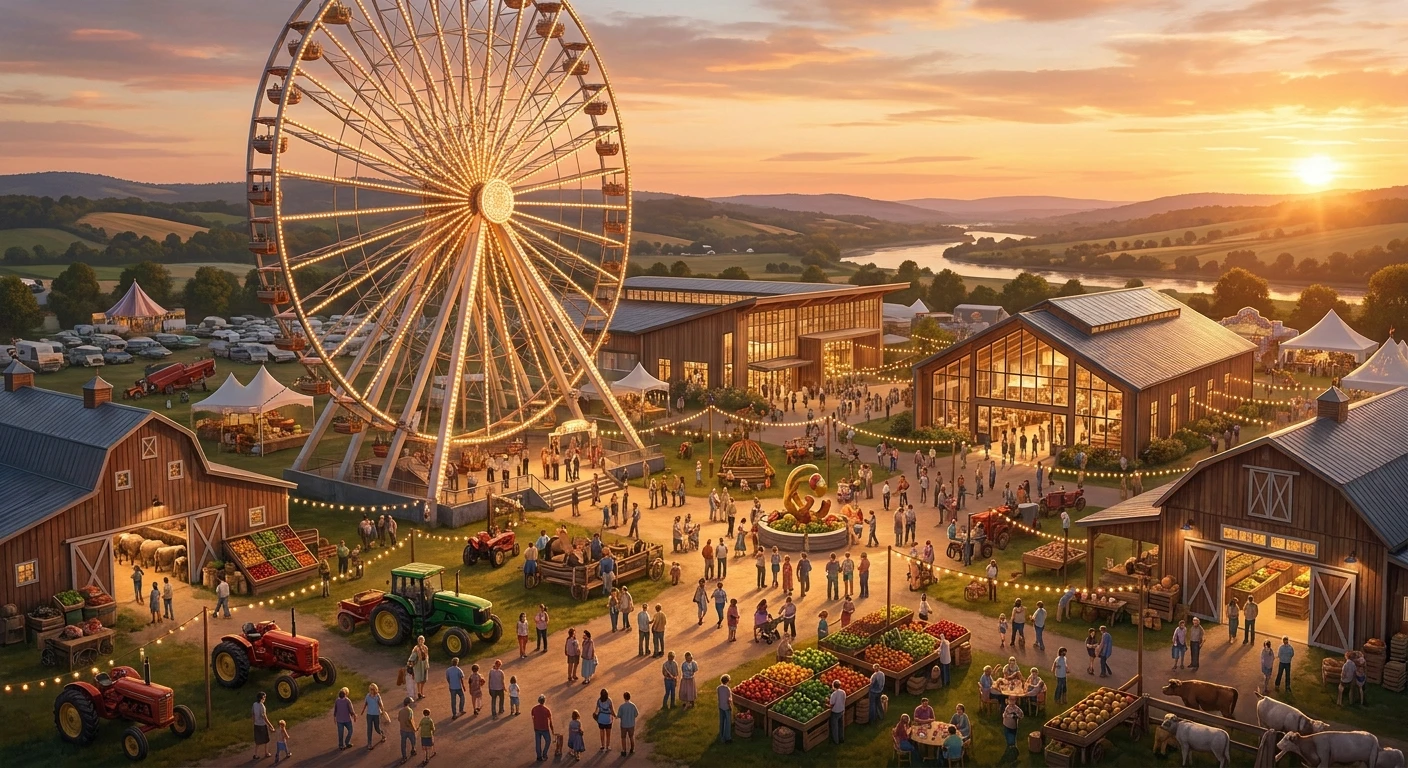
Navigating the Ultimate Exhibition Saskatoon Experience
If you want to understand the beating heart of Saskatchewan’s entertainment and agricultural sector, checking out an Exhibition Saskatoon event is exactly where you need to start. Every year, massive crowds flock to the dedicated fairgrounds, primarily at Prairieland Park, for events that blend rural traditions with high-octane modern entertainment. Whether you are looking for the dizzying heights of midway rides, the thumping bass of live grandstand concerts, or the cutting-edge innovations found at international agricultural trade shows, this location serves as the premier hub for community gatherings.
There is a unique rhythm to how these events operate. You get a seamless mix of livestock displays sitting just a short walk away from modern indoor convention spaces. The sheer scale of the grounds requires careful planning to navigate properly. From securing the best parking spots to knowing exactly which food vendors offer the most authentic local flavors, preparation makes all the difference. This guide will walk you through the rich history, the incredible logistics, and the day-to-day strategies you need to maximize your time at the exhibition.
Read also: Ultimate morgan wallen toronto Concert Guide; The matt rife edmonton Ticket Guide.
Core Attractions and Unmatched Community Value
When looking closely at how the exhibition functions, its value to the local economy and culture becomes incredibly clear. The grounds operate as a massive economic engine. Hotels, local restaurants, and retail spaces see a massive surge in business whenever a major event is booked. You can split the primary value proposition of the exhibition into two distinct categories: broad public entertainment and specialized industry networking.
For example, the annual summer fair draws families from all over the province for its carnival atmosphere, offering everything from classic bumper cars to extreme rollercoasters. On the flip side, events like the Western Canadian Crop Production Show bring together international experts, farmers, and tech developers to negotiate multi-million dollar contracts and share farming innovations.
Here is a breakdown of the primary event categories and their impact:
| Event Category | Primary Audience | Economic Impact Rating |
|---|---|---|
| Summer Fair & Midway | Families and Thrill-Seekers | High (Tourism and Hospitality) |
| Agricultural Trade Shows | Farmers and Industry Professionals | Very High (B2B Commerce) |
| Equine and Livestock Showcases | Breeders and Enthusiasts | Medium (Niche Markets) |
To fully grasp what makes the grounds so versatile, you need to look at its core structural components:
- The Grandstand Arena: This massive outdoor seating area is the main stage for major evening concerts, chuckwagon races, and spectacular fireworks displays.
- The Sprawling Midway: A massive open-air carnival zone packed with high-speed rides, classic skill games, and endless rows of neon-lit food stands.
- The Indoor Convention Centers: Massive, climate-controlled trade halls designed to host sprawling industry expos, consumer electronics shows, and corporate galas simultaneously without interference.
Origins of the Agricultural Fair
The story of the exhibition begins deeply rooted in the agricultural history of the Canadian Prairies. In the late 19th and early 20th centuries, local farmers and settlers needed a central location to showcase their best livestock, share crop yields, and discuss farming techniques. These early gatherings were purely functional, acting as a vital networking event for a rapidly expanding agricultural community. People would travel for days by horse and wagon just to participate in the judging of cattle, horses, and wheat varieties. It was the absolute highlight of the rural calendar, combining business with much-needed social interaction after long seasons of isolated farm work.
Evolution Through the 20th Century
As the decades progressed and the city grew, the nature of the exhibition shifted. While agriculture remained a massive pillar, organizers began introducing more entertainment options to draw in the growing urban population. The mid-1900s saw the introduction of traveling carnival rides, elaborate grandstand shows featuring acrobats and musicians, and a massive influx of diverse food vendors. The grounds themselves expanded, moving away from temporary wooden structures to permanent, weather-resistant buildings. The introduction of the railway and eventually better highway systems meant that visitors from neighboring provinces could easily attend, transforming a local fair into a regional mega-event.
Modern State of Prairieland Park
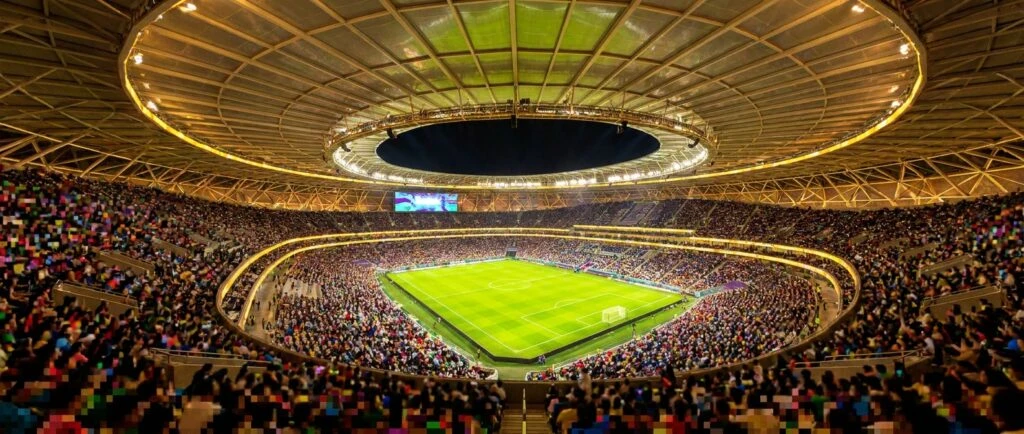
Today, the modern exhibition grounds, most notably Prairieland Park, represent a masterclass in event management. The site has evolved into a year-round entertainment district. While the summer fair remains the crown jewel, the permanent infrastructure now supports massive indoor trade shows during the freezing winter months. State-of-the-art lighting, sophisticated sound systems, and massive paved lots for midway construction make it a highly adaptable space. It stands as a testament to the region’s ability to honor its farming roots while fully embracing 21st-century entertainment and commerce.
Event Logistics and Crowd Dynamics
Running a massive exhibition requires intense logistical planning and highly technical execution. When you have upwards of two hundred thousand people moving through a fixed space over a week, crowd dynamics become a serious science. Organizers utilize advanced foot-traffic modeling to design the layout of the midway, ensuring that bottlenecks do not form near popular rides or exit gates. Ticketing systems rely on high-speed, cloud-based servers capable of scanning thousands of digital barcodes per minute without lagging, ensuring rapid entry. Security teams coordinate via encrypted radio networks and utilize elevated observation decks to monitor flow and dispatch medical teams instantly if required.
Agricultural Technology on Display
Beyond the rides and concerts, the technical sophistication of the agricultural trade shows held here is staggering. These are not simple tractor displays; they are showcases of precision agriculture. Modern farming relies heavily on data, and the exhibition halls become temporary tech hubs.
- Advanced GPS tracking software displays optimize automated tractor routing, showcased on massive LED screens.
- High-capacity power grids temporarily installed in the halls allow live demonstrations of heavy electric farming equipment without blowing municipal circuits.
- Acoustic engineering inside the main trade halls utilizes specialized baffling to prevent echo and sound bleed, allowing multiple high-stakes corporate presentations to run side-by-side.
- Precision agriculture booths feature live data streams from remote soil sensors and aerial drone mapping tools, demonstrating real-time yield analysis.
Day 1: Arrival and Venue Scouting
Your first day at a major exhibition should be entirely about getting the lay of the land. Arrive early before the massive crowds peak in the afternoon. Secure your parking strategy—whether that means utilizing the on-site premium lots or taking advantage of the city’s park-and-ride transit options. Grab a physical map or download the event app, and walk the main arteries of the grounds. Locate the emergency exits, the main washroom facilities, and the guest services booths. Understanding the basic geography of the outdoor midway versus the indoor trade halls will save you a massive amount of walking later in the week.
Day 2: Navigating the Agricultural Pavilions
Dedicate your second day to the roots of the event. Head straight to the livestock pavilions. Here, you will find incredibly detailed displays of cattle, sheep, and equine breeds. Take the time to watch the professional judging rings, where experts evaluate the animals based on strict breeding criteria. Afterward, move into the agricultural tech halls to see the massive machinery and software demonstrations. It provides fantastic context for how vital the farming industry remains to the local economy.
Day 3: Tackling the Midway Rides and Games
This is the day for adrenaline. Hit the midway right as it opens to beat the longest lines. Focus on the high-capacity rollercoasters and the massive Ferris wheel first. If you plan on playing the carnival games, set a strict budget beforehand, as it is incredibly easy to get caught up in the flashing lights and competitive atmosphere. Consider purchasing an all-day ride wristband rather than individual tickets if you plan on going on more than five rides, as the math heavily favors the wristband.
Day 4: Exploring Local Food and Culinary Exhibits
Take a break from the physical exertion and focus on the culinary side of the exhibition. Skip the standard franchise food and hunt down the unique, localized vendors. Look for freshly fried dough treats, locally sourced BBQ ribs, and innovative food truck creations that are often exclusive to the fair. Make sure to visit the indoor agricultural halls where local honey, jams, and baked goods are judged and often sold to the public.
Day 5: Attending the Grandstand Concerts
The grandstand is the centerpiece of evening entertainment. Plan your fifth day around the main concert or motorsport event. Arrive at the seating area at least an hour before the show begins to grab the best vantage points if seating is general admission. Keep an eye on the weather, as the grandstand is outdoors, and evening temperatures can drop significantly. The energy here is electric, serving as a massive communal party for the entire city.
Day 6: Engaging with Trade Shows and Tech Booths
Use this day to engage directly with vendors inside the convention centers. This is where you find everything from new consumer gadgets to home renovation services. Vendors are highly motivated to demonstrate their products, so do not hesitate to ask for interactive demonstrations. Collect promotional materials, test out the newest home spa tech, and enjoy the climate-controlled comfort after spending several days out in the sun.
Day 7: Final Souvenirs and Departure
Your final day should be a relaxed victory lap. Return to any specific stalls or attractions you missed during the week. Purchase your souvenirs, whether that is a bespoke piece of jewelry from the artisan market or a branded hoodie from the concert merch tent. Plan your exit strategy to avoid the massive rush that occurs right after the final evening fireworks display.
Myth: The Exhibition is Only for Farmers
Reality: While agriculture is the foundational element of the grounds, the vast majority of the events, especially during the summer months, are geared entirely toward general public entertainment, including massive concerts, thrill rides, and food festivals.
Myth: Events Only Happen in August
Reality: The grounds feature massive indoor, climate-controlled convention spaces that host trade shows, weddings, corporate galas, and niche conventions 365 days a year. The summer fair is just one piece of a massive calendar.
Myth: The Food is Just Standard Carnival Fare
Reality: Alongside the classic corn dogs and cotton candy, the food scene has exploded to include gourmet food trucks, international cuisine, and high-end local agricultural showcases featuring award-winning regional chefs.
Myth: It is Impossible to Find Parking
Reality: While on-site parking can fill up during peak hours, massive off-site park-and-ride bus systems are highly optimized, moving thousands of people directly to the front gates quickly and efficiently.
Where is the Exhibition Saskatoon held?
The vast majority of the major events and the summer fair are held at the expansive Prairieland Park grounds, located in the south end of the city.
What are the typical dates for the summer fair?
The primary summer fair, widely known as the Saskatoon Ex, traditionally runs for six days in early August, operating from noon until midnight most days.
Is parking available on site?
Yes, there are large paid parking lots directly adjacent to the grounds, though they fill rapidly during major concerts. City transit and dedicated shuttle buses offer excellent alternatives.
Are there indoor and outdoor events?
Absolutely. The grounds feature a massive outdoor midway and grandstand, perfectly complemented by sprawling, interconnected indoor convention halls for trade shows.
Can I buy tickets in advance?
Yes, purchasing tickets online weeks before the event is highly recommended. Advance tickets often come with significant discounts and allow you to skip the massive box office lines at the gate.
Is the venue wheelchair accessible?
The permanent indoor facilities and the vast majority of the paved outdoor pathways are fully accessible, with dedicated viewing areas in the grandstand for those with mobility aids.
Are pets allowed on the exhibition grounds?
With the exception of registered service animals, pets are strictly prohibited on the grounds during major events to ensure the safety of the massive crowds and the specialized livestock on display.
Can you bring outside food and drinks?
Generally, outside food and beverages are not permitted, though sealed water bottles and specific accommodations for medical dietary restrictions are routinely allowed at the gate checkpoints.
What happens if it rains?
The event operates rain or shine. While some high-altitude midway rides may temporarily pause for lightning, the massive indoor trade halls provide plenty of shelter and continued entertainment during passing storms.
The sheer scale and energy of an Exhibition Saskatoon event make it an absolute must-do for anyone looking to experience the true culture of the region. From the historical significance of the agricultural showcases to the high-tech execution of the modern midway, it is a masterclass in community entertainment. Start planning your schedule, secure your advance tickets, and get ready to experience one of the best event spaces in the province!