
Picking the Perfect booster car seat
Did you know that switching to a booster car seat too early is one of the absolute most common mistakes parents make on the road? Keeping your kid completely safe while traveling doesn’t have to be a frustrating puzzle if you know exactly when and how to handle the transition. Honestly, figuring out the specific safety requirements can feel like learning an entirely new language, but I promise it is much simpler once you break it down.
Let me tell you about a trip I took last summer in 2026. My family decided to drive all the way from Kyiv to the beautiful Carpathian mountains near Yaremche. It is a long, winding road with plenty of sudden stops and bumpy patches. My nephew, who was just outgrowing his toddler five-point harness, complained endlessly about feeling restricted. We faced a serious dilemma: keep him frustrated but maximally restrained, or move him to the next stage? We chose to upgrade his seating arrangement right before the trip. Seeing him comfortable yet completely secure against the vehicle’s seat belt across those twisting mountain roads gave me total peace of mind. That practical, real-life experience really opened my eyes to how vital proper timing and correct fit truly are.
Read also: Surviving snow squalls ontario: Best Winter Guide; Alexe frédéric migneault: Everything You Need to Know.
Why You Need It & How It Works
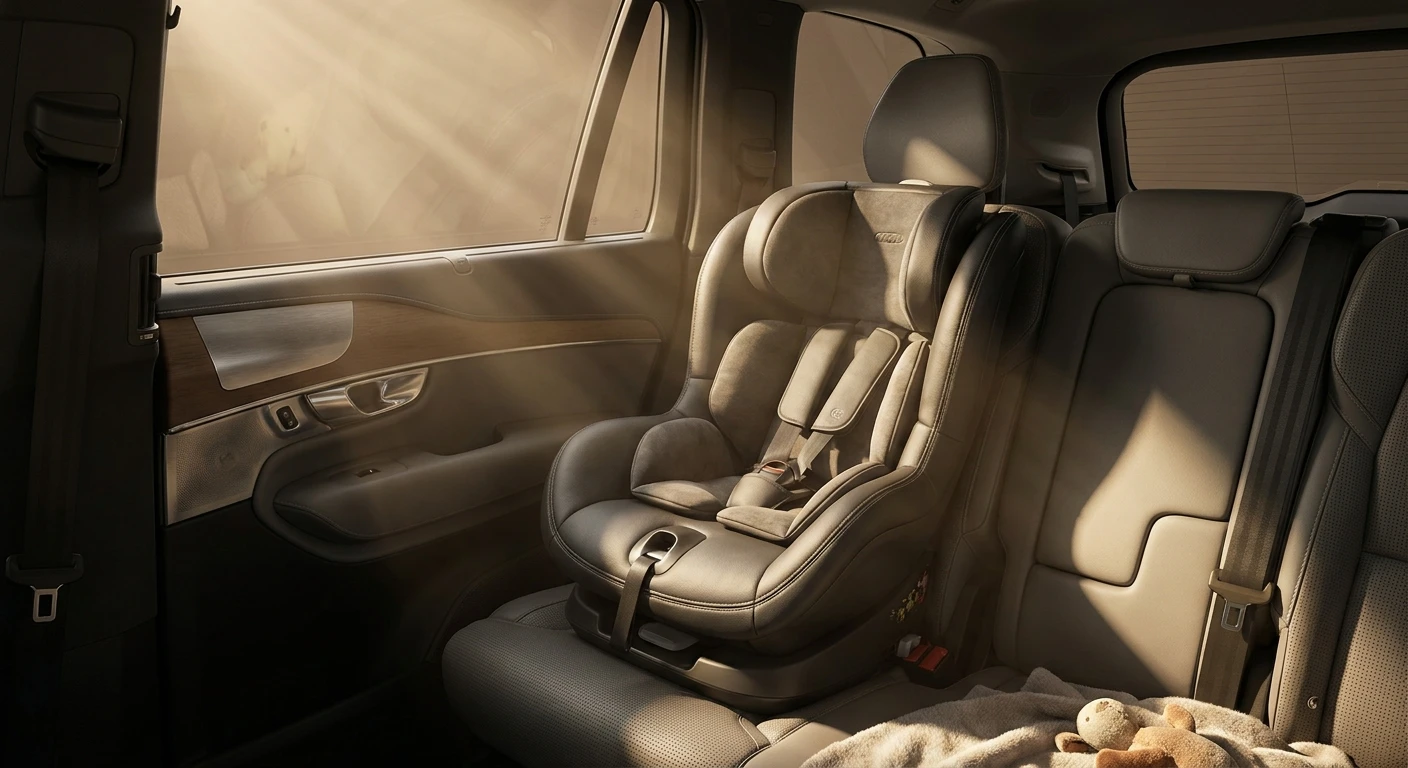
The transition phase between a forward-facing harness and sitting entirely independently on the vehicle’s upholstery is critical. A standard vehicle belt is engineered for an average adult male. When you strap a small child into that adult system without a lift, the belt crosses the soft tissue of their abdomen and their neck. That is incredibly dangerous during a sudden stop. The primary job of this specialized seating device is simple but crucial: it literally boosts the child up so that the vehicle’s lap and shoulder belts align perfectly over their strongest bones—the pelvis and the collarbone.
There is immense value in understanding the specific types available to you on the market right now. For example, if your vehicle has low seat backs without headrests, you absolutely must purchase a high-back version to protect your child’s neck from whiplash. On the other hand, if you are carpooling with other families or switching vehicles frequently, a lightweight backless version is vastly more convenient to carry around. You get ultimate flexibility without ever sacrificing basic safety standards.
| Seat Type | Typical Age Range | Key Benefit |
|---|---|---|
| High-Back | 4 to 8 years | Provides vital side-impact protection and head support. |
| Backless | 8 to 12 years | Highly portable, easy to move between different vehicles. |
| Inflatable | 6 to 12 years | Perfect for travel, taxis, and quick carpooling trips. |
So, how do you actually know your kid is ready for this major transition? Do not just guess. Look for these specific milestones:
- They have entirely outgrown the internal harness height and weight limits specified by their current toddler seat manufacturer.
- They are physically capable of sitting relatively still in the proper position for the entire duration of a long car ride without slouching or playing with the buckle.
- They have reached the minimum legal requirements for your specific country or state (usually around 40 pounds and at least 4 years of age).
Origins of Child Safety Restraints
Believe it or not, early child transit equipment was terrifyingly unsafe by modern standards. In the early 1930s, companies manufactured canvas sacks with drawstrings attached to a metal frame. The entire purpose was simply to elevate the child so the parents could easily see them while driving. Safety was not even a secondary thought; it was purely about visibility and keeping the kid from crawling around the cabin.
The Evolution Through the Decades
By the time the late 1960s and 1970s rolled around, auto manufacturers started studying crash dynamics. Early pioneers realized that children were essentially acting as dangerous projectiles during heavy collisions. However, the first real mandates for child restraints did not sweep the globe until the 1980s. Even then, the concept of a transitional lift for older children was practically non-existent. Kids were rushed from harnesses straight into adult seatbelts, leading to a massive spike in abdominal injuries commonly referred to as “seat belt syndrome.” Advocacy groups fought tirelessly through the 1990s to create a middle-ground solution, leading to the creation of the safety devices we rely on today.
The Modern State of Child Transit
Now, as we navigate through 2026, the engineering behind child transit safety has reached incredible heights. We have stringent international standards, rigorous side-impact testing protocols, and incredibly strict material toxicity regulations. Modern units are subjected to computerized crash simulations before they ever hit the physical test track. The focus has completely shifted from merely keeping a kid contained to actively absorbing kinetic energy and redirecting forces away from vital organs.
Physics of a Crash
Understanding the actual physics involved during a sudden deceleration makes you appreciate the engineering even more. When a car moving at 100 kilometers per hour hits a stationary object, the vehicle stops almost instantly. However, everything inside the cabin—including the passengers—continues moving forward at that exact same speed until something stops them. If a child is secured only by an adult belt that is improperly fitted over their soft abdomen, the extreme kinetic energy focuses entirely on their internal organs. By elevating the child, the physical forces are seamlessly transferred to the strong pelvic bones and the clavicle, which can naturally withstand significantly more pressure without fracturing or causing internal bleeding.
Material Engineering for Impact Absorption
The materials utilized inside these modern safety systems are nothing short of brilliant. Underneath the plush fabric cover, you will usually find a thick layer of Expanded Polystyrene (EPS) foam. This is the exact same specialized foam used in professional motorcycle helmets. Its sole function is to crush and deform upon impact, effectively slowing down the transfer of energy to the child’s body. The outer shell is typically molded from high-density polypropylene, offering a rigid skeleton that resists twisting.
- G-Force Reduction: High-quality EPS foam can reduce the G-forces transferred to a child’s head by up to 45 percent during a lateral collision.
- Energy Dissipation: The geometric design of the side wings actively guides crash forces away from the neck and spine.
- Belt Geometry: Specially designed belt guides guarantee the shoulder strap rests exactly across the middle of the collarbone, avoiding neck lacerations.
- Isofix/LATCH Stability: Rigid lower anchors prevent the unoccupied shell from becoming a dangerous flying object during hard braking.
Step 1: Measure Your Child
You need to start with hard facts, not guesswork. Get a measuring tape and an accurate bathroom scale. Write down your child’s exact height and weight. Compare these specific numbers directly against the labels printed on your current harness seat to confirm they have actually maxed it out. Do not rush this step; keeping them harnessed longer is always safer if they still fit.
Step 2: Check Your Vehicle’s Seat Belts
Before purchasing anything, inspect your car’s back seat. Does your vehicle have lap-and-shoulder belts in all seating positions? These devices absolutely cannot be used with a lap-only belt. The entire system relies on the shoulder strap holding the upper body back. If you only have lap belts, you must find an alternative solution or have shoulder belts retrofitted.
Step 3: Choose High-Back or Backless
Make a decision based on your vehicle’s headrests and your child’s maturity level. If your back seat is totally flat without headrests, you have no choice: you must buy a high-back version. Even if you do have headrests, high-backs are strongly recommended for younger kids because the side wings naturally support their heads when they inevitably fall asleep on long rides.
Step 4: Verify Crash Test Ratings
Not all plastic shells are created equal. Spend an hour reading independent crash test results from trusted organizations like the IIHS (Insurance Institute for Highway Safety) or ADAC in Europe. Look specifically for models designated as “Best Bets” because they reliably provide a good belt fit across a wide variety of different vehicle makes and models.
Step 5: Master the LATCH System
While the vehicle’s seat belt is what actually restrains the child, many modern models come with LATCH (Lower Anchors and Tethers for Children) connectors. Secure these to the metal loops wedged in your car’s seat bight. This step does not make the child safer in a crash, but it heavily secures the empty plastic shell so it does not fly forward and hit you in the back of the head when you brake hard at a red light.
Step 6: Perform the Belt Path Test
Once you place the product in your car and sit your child in it, thread the seatbelt exactly according to the brightly colored guides. The lap portion must sit low and flat across the tops of the thighs, completely off the soft stomach. The shoulder portion must cross flat across the middle of the chest and collarbone, not rubbing against the neck or falling off the shoulder.
Step 7: Do the Final Wiggle Check
Have your kid simulate picking up a dropped toy or looking out the window. Does the shoulder belt automatically retract and stay tight against their chest when they sit back up? If the belt stays slack or gets tangled in the routing guide, you need to adjust the height of the headrest or try a completely different seating position in the vehicle.
Myth: Backless is just as safe for toddlers.
Reality: Backless versions offer absolutely zero side-impact protection for the head and torso. They are strictly designed for older, taller kids who simply need a slight physical lift to make the adult belt fit correctly. Younger kids still developing core strength desperately need the structural support of a high-back.
Myth: You can use a second-hand seat forever.
Reality: Every single restraint system comes with a strict expiration date stamped right into the plastic, usually between 6 to 10 years from the date of manufacture. Over time, extreme temperature fluctuations inside a parked car degrade the plastic and break down the EPS foam, making it brittle and highly prone to shattering during an accident.
Myth: Seat belts are enough once they turn six.
Reality: Age is essentially irrelevant when it comes to seat belt fit. It is entirely about physical geometry. Most children will not safely fit an adult seat belt without extra elevation until they are nearly 145 centimeters (4 feet 9 inches) tall, which rarely happens before age 10 or 11.
Myth: Premium fabrics mean better crash protection.
Reality: Federal safety standards are pass/fail. A basic thirty-dollar unit passes the exact same brutal federal crash sled tests as a three-hundred-dollar luxury version. The extra money usually buys you softer fabrics, easier cup holders, and simpler installation mechanics, but not necessarily better baseline physics.
When should I switch?
Only switch when your child completely outgrows the highest weight or height limits of their current five-point harness, and they have the mental maturity to sit perfectly still without unbuckling themselves.
Can it go in the front?
No. Children under the age of 13 should always ride in the back seat. Front airbags deploy with explosive, lethal force that can severely injure or kill a smaller passenger sitting elevated in the front.
Do they expire?
Yes, absolutely. Check the manufacturer sticker on the bottom. Plastics degrade from UV rays and intense summer heat, rendering the safety device unreliable after 6 to 10 years.
Are expensive ones better?
Not always. They all pass the same government safety baselines. Higher prices usually mean better padding, easier LATCH connectors, and machine-washable fabrics, but basic safety remains consistent across price points.
How to clean the cover?
Always follow the manual. Usually, you can machine wash the fabric cover on a gentle, cold cycle, but you should never bleach or iron it. Never submerge the straps in water, as this breaks down the tensile strength of the webbing.
What is a seat belt syndrome?
It is a collection of severe abdominal and spinal injuries caused when a lap belt rides up onto a child’s soft stomach instead of staying low across the strong hip bones during a sudden crash.
Can I bring it on an airplane?
Backless versions cannot be used during a flight because airplanes only have lap belts. However, you can absolutely bring it as carry-on luggage to use in your rental car or taxi at your final destination.
Keeping your children safe requires diligence, but getting the right information completely empowers you as a parent. Do not compromise when it comes to vehicle safety. Measure your child today, check the expiration date on their current setup, and ensure you have the best possible fit. If you found this breakdown helpful, please share this guide with other parents so we can keep all our little ones safe on the road!