
Why The Boss Bear Commands Absolute Respect in the Wild
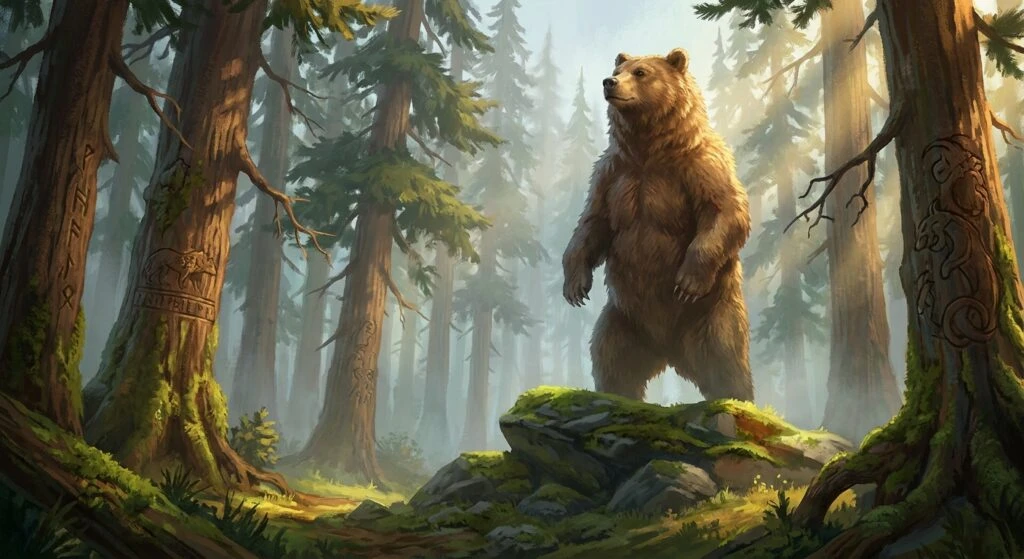
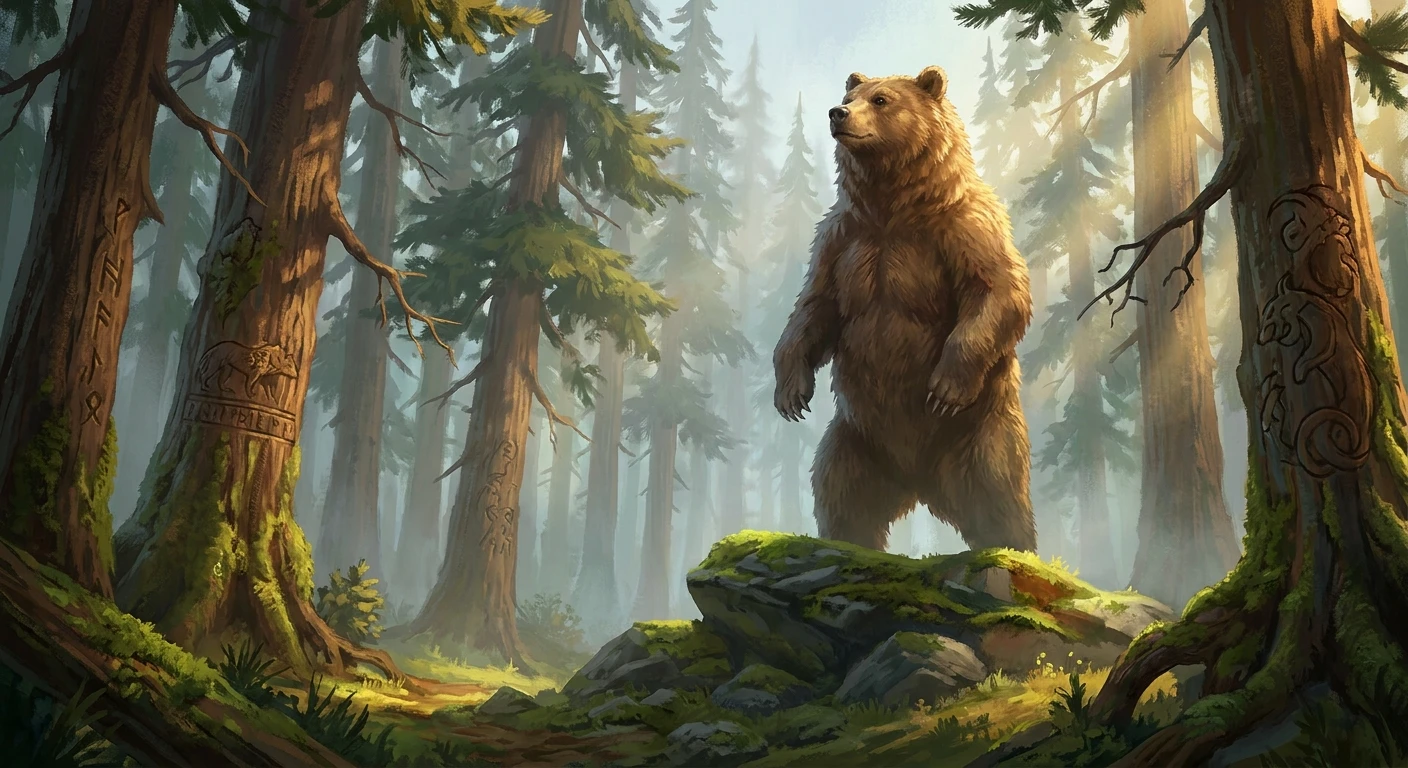
If you have ever wandered deep into the wilderness, you already know that the boss bear commands absolute respect from everything breathing in the forest. You simply cannot ignore the raw power and complex social dynamics that define the apex predator of any given territory. I remember a few years back, hiking through the dense, fog-covered pines near Lake Synevyr in the Ukrainian Carpathians. Our local guide pointed to a massive set of claw marks high up on a beech tree. Back home in Ukraine, we have immense respect for these brown bears, and the locals always whisper stories about that one singular, dominant male—the ruler of the ridge. That memory perfectly captures the essence of what we are talking about today.
We are looking at an animal that doesn’t just survive; it dictates the rhythm of the entire ecosystem. The sheer presence of this dominant figure affects where other animals hunt, sleep, and migrate. I want to break down exactly how this hierarchy works, why it matters, and how you can spot the signs of this woodland king. By the time you finish reading, you will understand the intricate, often brutal, but incredibly fascinating world of animal dominance. It is an intricate dance of power, genetics, and survival that plays out every single day in the woods.
You get real benefits from understanding these wildlife dynamics, especially if you spend time hiking, camping, or photographing nature. For example, knowing how dominant males mark their territory keeps you out of dangerous confrontation zones. Additionally, recognizing these behaviors allows you to appreciate the hidden social structures of animals, making every trip to the forest infinitely more rewarding.
The Core Traits of Dominance
Let me give you a clear comparison so you can see exactly what separates the standard wildlife from the absolute ruler of the woods.
| Trait Category | The Average Bear | The Dominant Leader |
|---|---|---|
| Territory Size | Small, constantly shifting margins | Massive, clearly defined boundaries |
| Diet Access | Scavenges leftovers, marginal foraging | Prime access to high-calorie food sources |
| Behavioral Stance | Skittish, avoids unnecessary conflict | Calm, confident, entirely unbothered |
Spotting these signs in the wild requires a bit of patience and a lot of situational awareness. If you want to know who is running the forest, follow this straightforward process:
- Analyze the rub trees: Look for trees with missing bark and deep claw marks situated much higher than a human can reach. The higher the mark, the larger the animal claiming the area.
- Check the travel corridors: Dominant males do not sneak through the brush. They use the path of least resistance, often leaving deep, repeated paw prints in the mud along main trails.
- Observe the absence of others: When the ruling male is active in a specific valley, younger males and females with cubs will conspicuously clear out of the immediate vicinity.
Origins of Dominant Bear Hierarchies
Where did this specific system of woodland hierarchy even come from? If we look back thousands of years, the ancestors of our modern forest giants faced brutal competition for calories. Ice age environments were not forgiving. The biggest, smartest, and most aggressive individuals were the only ones who secured enough fat reserves to survive the harsh winters. This evolutionary bottleneck meant that only the absolute toughest genes got passed down. The idea of a singular, dominant force in the woods has literally been baked into their DNA since the Pleistocene epoch.
Evolution of Wilderness Rulers
As forests expanded and glaciers retreated, the physical size of these animals adapted, but the psychological need for a strict social ladder remained intact. Without a clear leader, chaotic infighting would waste too much energy. Energy is currency in the wild. By establishing an undisputed champion of a territory, the entire local population actually conserves energy. Younger males quickly learn their place without fighting to the death every single time they cross paths. This evolutionary shortcut minimizes fatal injuries across the entire species, ensuring the survival of the broader population.
The Modern State of Apex Predators
Now that it is 2026, our understanding of these massive animals has reached an entirely new level. Climate shifts and human encroachment have squeezed their natural habitats, forcing these dominant individuals to adapt their territories. Today’s ruling males are navigating complex landscapes that include highways, logging zones, and expanding tourist towns. Yet, they still maintain their iron grip on the local hierarchy. Modern technology, like remote trail cameras and citizen science apps, has finally allowed us to map out the exact borders of their domains in real-time, proving just how sophisticated their territorial networks truly are.
Biological Markers of Dominance
Do not let the biological jargon scare you; the science behind this is genuinely straightforward and fascinating. When an animal reaches the top of the food chain, its body goes through physiological changes. It is not just about eating more food. Their endocrine systems actively pump out higher baseline levels of testosterone during mating seasons, which increases muscle mass and bone density. Furthermore, their olfactory glands become highly active, allowing them to secrete specific pheromones that communicate their size, age, and health to every other animal that walks past their marked trees.
Telemetry and Tracking Ecosystems
We used to rely purely on guesswork and footprints, but modern wildlife biologists use GPS telemetry collars to map these complex social webs. The data we pull from these collars is mind-blowing. We can literally watch a digital map as the ruler patrols his borders, and simultaneously watch the younger, subordinate males scramble out of his way.
- Spatial Memory: They possess an incredible mental map of every berry patch, river crossing, and competitor’s location within a 500-square-mile radius.
- Caloric Intake Efficiency: Dominant individuals consume up to 30,000 calories a day during hyperphagia (the pre-winter feeding frenzy) because they monopolize the best food sources.
- Scent Marking Frequencies: They will stomp their feet into the dirt and twist, grinding their scent glands into the earth to leave a chemical signature that lasts for weeks.
Day 1: Understanding the Terrain
If you are serious about safely observing the habitat of these incredible creatures, you need a solid plan. Start your first day strictly looking at topographical maps. Identify water sources, dense berry patches, and natural funnels like mountain passes. Dominant animals are efficient; they will use the easiest geographical routes to patrol their massive territories. You do not need to set foot in the woods yet—just learn how to read the landscape like an apex predator would.
Day 2: Scouting Perimeter Zones
On the second day, head out to the edges of the identified territory. Keep your distance from the prime food sources. You are looking for perimeter markers. Check the bases of large pine or cedar trees for coarse hair snagged in the bark. Keep your eyes peeled for massive tracks in muddy areas near stream crossings. This is your initial reconnaissance to confirm you are in the right general vicinity.
Day 3: Identifying Rub Trees
Now it is time to look for the communication hubs of the forest. Rub trees are essentially the wild’s social media network. Walk along the well-trodden game trails and look for trees that have been repeatedly scratched, bitten, and rubbed smooth. When you find one with bite marks eight feet off the ground, you know exactly who left them. Document the location but do not linger, as these are highly trafficked spots.
Day 4: Setting Up Camera Traps
You want to see the action without risking your life or disturbing the animals. On day four, deploy motion-activated trail cameras near the rub trees or natural funnels you found. Make sure to wear gloves to minimize human scent on the camera casing. Mount them securely and angle them slightly downward to catch the full size of whatever walks past. Leave the area quickly and quietly.
Day 5: Analyzing Scat and Diet
While the cameras are doing the hard work, spend day five analyzing what the animals are eating. Look for older droppings along the trails. A dominant male’s diet will largely dictate his movements. If the scat is full of berry seeds, you know they are hitting the high-elevation bushes. If it is full of fish scales or bone fragments, they are likely dominating the riverbeds. This tells you where the center of power currently lies.
Day 6: Safe Observation Distances
If you choose to do any live observation, day six is for finding a high-vantage point far away from the active zones. Bring high-powered binoculars or a spotting scope. Set up on a ridge where the wind is blowing your scent away from the valley. Sit quietly for hours. Patience is your best tool here. You might just catch a glimpse of a massive dark silhouette moving confidently through the brush below.
Day 7: Data Logging and Retrieval
On your final day, go back and carefully retrieve your camera traps during the middle of the day when nocturnal and crepuscular activity is lowest. Reviewing the SD cards is always the best part of the week. Comparing your initial map predictions with the actual photographic evidence of the wildlife hierarchy in action is incredibly satisfying. It connects you to the raw reality of the forest in a way few people ever experience.
Busting the Biggest Myths
Let’s clear up some nonsense that gets repeated in movies and campfire stories.
Myth: They are constantly fighting to the death to maintain their territory.
Reality: Physical fights are surprisingly rare and considered a last resort. They rely heavily on posturing, scent marking, and sheer intimidation to keep challengers away. A major injury means starvation, so avoiding a fight is the smartest survival tactic.
Myth: They strictly hunt large game and eat only meat.
Reality: Even the absolute largest, most dominant individuals get the vast majority of their calories from plants, nuts, berries, and insects. They are opportunistic omnivores, not just bloodthirsty carnivores.
Myth: Once a male takes charge, he rules that area forever.
Reality: The reign of a woodland king is actually quite short, typically lasting only a few prime years before a younger, stronger challenger eventually displaces him through intimidation.
Your Quick Questions Answered
What exactly do they eat during the summer?
During the peak summer months, their diet consists heavily of sedges, grasses, roots, and early berries. They will also flip massive rocks to gorge on protein-rich grubs and moths.
How long do they typically live in the wild?
If they survive their vulnerable cub years, a healthy dominant male can live anywhere from 20 to 25 years, though their prime ruling years usually happen between ages 10 and 15.
Are they an immediate threat to humans?
Generally, no. They want nothing to do with people. However, if you surprise them, get between them and their food, or act unpredictably, they will defend their space aggressively.
How do they survive the freezing winters?
They undergo a highly regulated process called torpor, a form of hibernation where their body temperature drops slightly, and their heart rate slows dramatically, allowing them to survive for months without eating or drinking.
Can a younger animal ever take over the territory?
Yes, it is inevitable. As the ruling male ages and loses muscle mass, a younger male entering his prime will eventually push the older animal out to less desirable territory.
What is the average size of their home range?
It varies wildly based on food availability, but a dominant male’s home range can stretch anywhere from 300 to over 1,000 square miles.
How fast can these massive animals actually run?
Despite their bulky, lumbering appearance, they can explode into a sprint reaching speeds up to 35 miles per hour for short distances, easily outrunning any human.
Understanding the boss bear is not just about knowing facts; it is about respecting the raw, untamed mechanics of nature. These magnificent creatures hold the entire forest ecosystem together just by existing. The next time you find yourself wandering through a dense tree line, pay attention to the broken branches, the deep prints, and the high claw marks. Take a moment to appreciate the unseen rulers of the wild. If you are hungry for more wilderness secrets, grab your gear, start tracking those signs, and share your own field discoveries below!