
Why hopp canada is Your Next Big Obsession
Have you ever stared at a line of red brake lights stretching infinitely down the highway and thought there has to be a vastly better way to commute? Enter hopp canada, the absolute game-changer that is completely reshaping how we get from point A to point B. I vividly remember freezing on a street corner in downtown Calgary late last November, waiting for a bus that felt like an urban myth. A friend quickly texted me to grab a nearby e-scooter using their new mobility app. Within two minutes, I was zooming past the stalled traffic, the crisp winter wind in my face, completely bypassing the gridlock. That single, exhilarating moment permanently hooked me on micro-mobility.
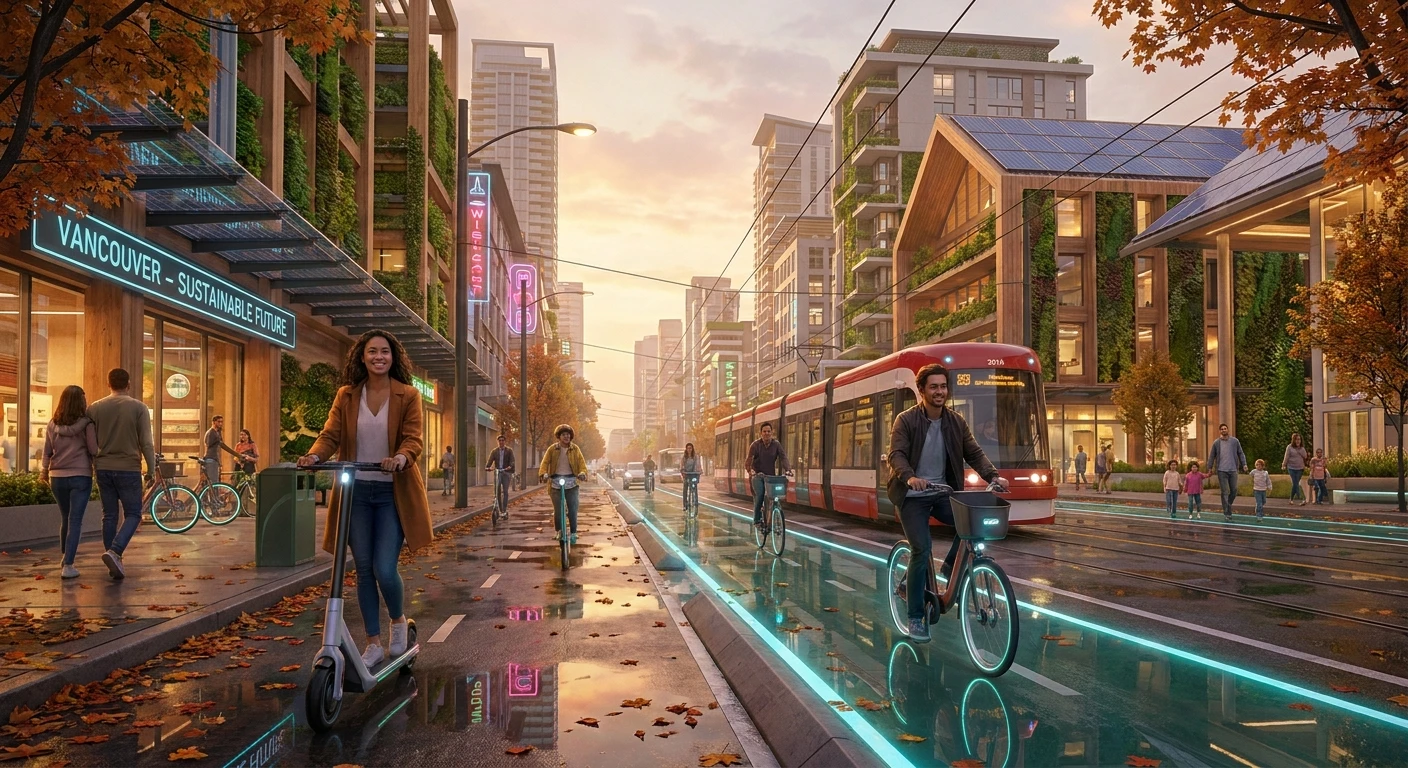
The beauty of this ecosystem is not just in the sleek, brightly colored hardware, but the sheer freedom it gives back to your daily routine. We are no longer chained to delayed train schedules or forced to search endlessly for outrageously expensive parking spots. Instead, we have a fast, fiercely efficient, and surprisingly fun method of transportation right at our fingertips. As we navigate through 2026, the shift toward sustainable, hyper-local transit is undeniable across the country. Everyone from busy university students racing across campus to corporate executives heading to morning meetings is realizing that sitting alone in a metal box for two hours a day makes zero sense. The platform offers a seamless integration into urban life, solving the dreaded last-mile problem with effortless style. We are talking about reclaiming hours of your week, saving serious money, and actively reducing your carbon footprint without sacrificing a single ounce of convenience. Let me walk you through exactly why this movement is taking the nation by storm and how you can seamlessly make it part of your everyday lifestyle.
The Core Benefits: Speed, Savings, and Sustainability
The fundamental appeal lies in the completely frictionless experience. You do not need to worry about vehicle maintenance, overnight theft, or finding long-term storage space. You literally just locate a ride and go. The value proposition here is massive: zero emissions paired with maximum urban mobility. Think about the direct impact on your wallet and your sanity.
For example, my buddy Mark used to spend fifteen dollars a day on downtown parking; now he rides into the financial district for literally pennies on the dollar, saving enough cash each month to completely fund his ridiculous artisan coffee addiction. Another great example is Sarah, a nursing student who uses the network to safely and quickly navigate between distant campus buildings late at night when the university shuttles stop running. It provides her unparalleled peace of mind and saves her a ton of time.
| Commute Metric | Traditional Transit (Bus/Car) | The Hopp Canada Method |
|---|---|---|
| Average City Speed | 12 km/h (stuck in heavy traffic) | 20 km/h (cruising in bike lanes) |
| Environmental Impact | High greenhouse gas emissions | 100% Zero-Emission operation |
| Monthly Cost Estimate | $150+ (Gas, Parking, Passes) | Under $50 for regular users |
Getting started is ridiculously simple. It takes less time than ordering a pizza. Here is the straightforward process:
- Register and verify your profile using a valid ID to ensure community safety and compliance with local transit laws.
- Scan the unique QR code located directly on the handlebars to instantly unlock the hardware and power up the motor.
- Follow the smart navigation prompts on your screen to find designated, safe drop-off zones when your journey is complete.
Once you integrate this into your routine, you will wonder how you ever managed without it. It turns a stressful, congested morning scramble into a breezy, enjoyable outdoor ride.
The Humble Origins of Micro-Mobility
To truly appreciate where we are now, we have to look back at the chaotic early days of dockless bike-sharing. A few years ago, the concept was entirely new, and cities were basically treating these vehicles like an invasive species. Companies dumped hundreds of heavy, clunky bicycles onto sidewalks without any real infrastructure or municipal coordination. It was a massive mess. Pedestrians were angry, city councils were overwhelmed, and the hardware itself was prone to vandalism. However, this messy prototype phase was entirely necessary. It forced tech companies and city planners to actually sit down at the same table and negotiate proper terms for shared public space.
Evolution Across the Provinces
Following those initial growing pains, we saw a massive evolution in how the system operated, moving from western pilot projects to a massive national rollout. Cities like Edmonton and Kelowna led the charge by establishing strict geofencing rules and dedicated parking corrals. They proved that with the right software limitations, the chaos could be tamed. Slowly but surely, eastern hubs like Toronto, Montreal, and Halifax took notes. They implemented progressive bylaws that integrated micro-mobility hardware into their broader public transit networks. The technology shifted from cheap, disposable bikes to rugged, custom-built electric scooters specifically engineered to handle the brutal, pothole-filled reality of Canadian roads.
The Modern State of the Network
Fast forward to the current landscape of 2026, and the system operates like a beautifully orchestrated symphony. It is deeply embedded into our daily lives and heavily integrated with local municipal transit apps. You can now plan a route that includes a subway ride, a short bus hop, and a final electric scooter sprint, all paid for through a single digital wallet. The operators maintain massive, localized fleets with dedicated teams working overnight to swap batteries, repair brakes, and redistribute vehicles to high-demand areas before the morning rush hour even begins.
Battery Chemistry and Cold Weather Optimization
If you are a bit of a tech nerd, the engineering behind these specific vehicles is genuinely fascinating. One of the biggest hurdles was figuring out how to keep the fleets running when the temperature drops to minus twenty degrees. Standard lithium-ion batteries notoriously lose their charge rapidly in freezing conditions. Engineers completely overhauled the power systems, integrating thermal management layers that actively keep the battery cells warm.
GPS Fencing and Algorithmic Routing
The software side is equally impressive. The vehicles are constantly talking to overhead satellites and local cell towers to maintain precise positioning. This prevents riders from accidentally wandering onto busy highways or pedestrian-only boardwalks. The algorithms running in the background are constantly learning from fleet movement patterns to optimize where vehicles are placed each morning.
- High-density Lithium Iron Phosphate (LiFePO4) cells are utilized because they strongly resist chemical degradation and capacity loss in sub-zero ambient temperatures.
- Regenerative braking systems capture kinetic energy during deceleration and convert it back into electrical power, artificially extending the daily range by up to fifteen percent.
- Dual-band GPS tracking arrays provide sub-meter location accuracy, allowing the central servers to instantly cut motor power if the vehicle enters a prohibited geofenced zone.
- Advanced IoT telematics continuously report vehicle health metrics—like motor torque, internal temperature, and tire pressure anomalies—directly to the local maintenance crews.
It is a brilliant combination of rugged hardware and highly sophisticated cloud computing, all working together silently while you simply enjoy the ride.
Day 1: Setting Up Your Digital Wallet
Your first step is purely administrative but highly exciting. Download the mobile application from your respective app store and spend ten minutes setting up your profile. You will need to upload a quick photo of your driver’s license or provincial ID to verify your age. Link your preferred credit card or digital payment method. Spend some time just exploring the digital map in your area. Look at where the highest concentration of vehicles sits and locate the designated parking hubs nearest to your home and workplace.
Day 2: The First Quiet Test Ride
Do not jump straight into rush hour traffic. On your second day, find a quiet neighborhood street, an empty parking lot, or a dedicated multi-use path. Unlock a vehicle and just get a feel for the throttle response and the braking sensitivity. The motors have a surprising amount of torque, so you want to build your muscle memory without the pressure of cars zooming past you. Practice signaling your turns and coming to a smooth, controlled stop.
Day 3: Mapping the Commute
Now that you are comfortable standing on the deck, map out a specific route to your local coffee shop or grocery store. Avoid high-speed arterial roads. Instead, stick to municipal bike lanes, quiet residential side streets, and paved park trails. Pay close attention to how the application actively guides you away from prohibited zones and gently reduces your speed if you enter a heavily congested pedestrian area.
Day 4: Combining Rides with Public Transit
Micro-mobility shines brightest when it acts as a bridge. On day four, try riding a scooter to a bus stop or train station that is normally just a bit too far to walk comfortably. End your ride at the transit hub, hop on the train, and then grab another scooter at your final destination to complete the journey. You will immediately notice how much this shrinks the perceived size of your city.
Day 5: Navigating Peak Rush Hour Traffic
It is time for the ultimate test. Use the network during the dreaded 5:00 PM rush hour. While cars are lined up bumper-to-bumper, slowly inching forward and burning expensive gas, you will be smoothly gliding past them in the protected bike lane. Keep your head on a swivel, wear bright clothing, and enjoy the immensely satisfying feeling of bypassing gridlock.
Day 6: Exploring a New Neighborhood
Take the weekend to use the service strictly for leisure. Head to a part of the city you rarely visit because parking is too difficult or transit connections are poor. The freedom to hop off, check out a boutique store or a new bakery, and instantly grab another ride when you are done completely changes how you interact with local businesses and community spaces.
Day 7: Analyzing Your Weekly Dashboard Metrics
Open up the application and review your personalized statistics from the past week. The dashboard will show you exactly how many kilometers you traveled, how much money you saved compared to ride-sharing apps, and, most importantly, the exact volume of CO2 emissions you prevented from entering the atmosphere. It is incredibly validating to see those concrete numbers.
Myths and Realities
There is still a lot of misinformation floating around social media regarding this movement. Let’s clear the air on a few common misunderstandings.
Myth: These vehicles are completely unusable and highly dangerous during the icy winter months.
Reality: Fleet operators now actively deploy winter-ready models heavily equipped with studded tires, enclosed electronics, and advanced traction control systems specifically engineered for snowy, icy conditions.
Myth: The streets are becoming dangerously cluttered with abandoned hardware blocking wheelchairs and strollers.
Reality: Strict municipal geofencing technology means riders face severe financial penalties, and potential account bans, for parking outside of clearly marked, virtual corrals. The clutter problem is largely a thing of the past.
Myth: Riding one of these is significantly more dangerous than riding a traditional pedal bicycle.
Reality: Empirical safety data shows that the lower center of gravity, highly visible LED lighting, and governed speed limits actually result in fewer severe accidents per kilometer than standard bicycles.
How fast can these vehicles legally go?
The hardware is electronically governed. Depending on the specific provincial bylaws, the maximum speed is strictly capped at either 20 km/h or 25 km/h to ensure pedestrian safety.
Do I need to supply my own helmet?
Yes. While enforcement varies by municipality, local laws strongly mandate the use of a certified safety helmet. Some operators occasionally provide attached communal helmets, but bringing your own is always the safest and most hygienic bet.
What happens if the app crashes mid-ride?
Do not panic. The vehicle’s internal computer independently continues your session. Just pull over safely, restart the application on your phone, and it will immediately resync with your ongoing trip.
Can I reserve a ride in advance?
Absolutely. Most platforms allow you to reserve a specific vehicle up to fifteen minutes in advance, ensuring no one else grabs it while you are walking out of your apartment building.
Is there a strict weight capacity limit?
Yes, for optimal motor performance and braking safety, the hardware is generally engineered to support a maximum rider weight of around 100 to 120 kilograms.
Are there options for group rides?
Many apps offer a group ride feature where a single master account can simultaneously unlock up to five separate vehicles for friends, making weekend group outings incredibly easy to manage.
Does extreme weather affect the pricing?
Pricing remains relatively stable. However, during severe weather events like massive blizzards, operators will actually lock the fleet down entirely for safety reasons rather than implementing surge pricing.
Final Thoughts on the Mobility Shift
The era of being trapped behind a steering wheel for hours every week is slowly coming to an end. This entire ecosystem represents a massive leap forward in urban planning and personal freedom. By embracing this technology, you are not just getting to work faster; you are actively contributing to cleaner air, quieter streets, and a more vibrant local community. Stop waiting for the perfect moment to change your routine. Download the app today, locate the nearest hub, and experience the pure joy of the ride for yourself. The open road is calling.